Shade LovingFlowers & Plants
Transform shady garden spaces with beautiful flowers that thrive in low light conditions. Discover shade-tolerant plants and expert techniques for stunning shade gardens.
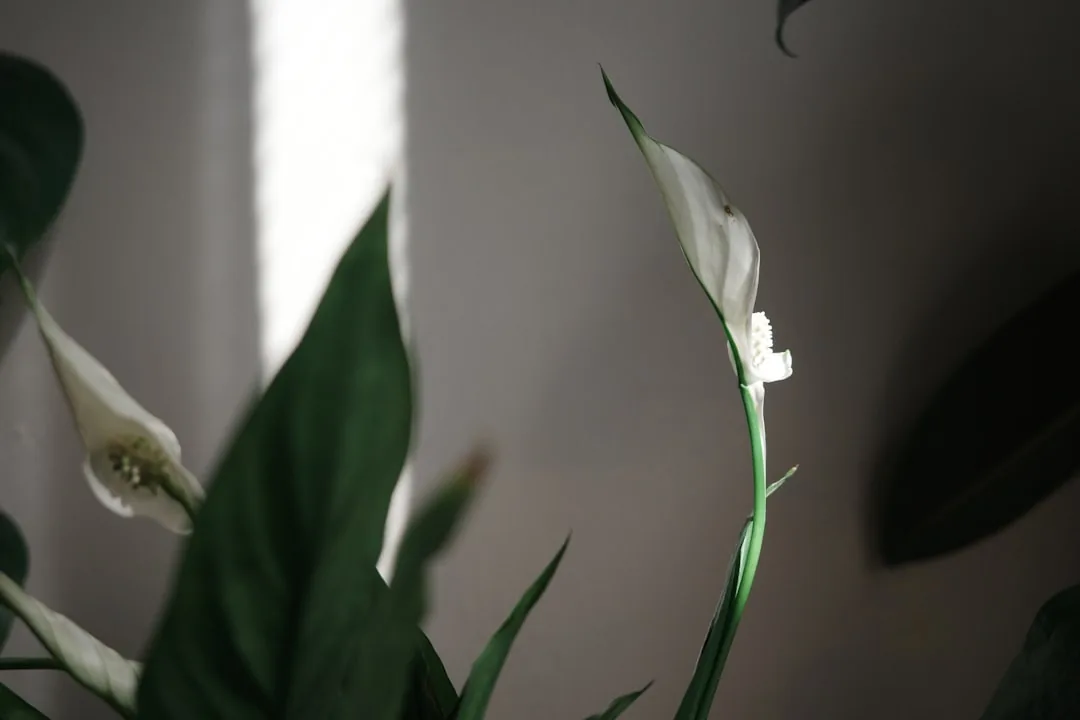
Types of Shade
Identify your garden's shade type to select the perfect plants and optimize growing conditions for maximum success.
Partial Shade
3-6 hours direct sunAreas that receive morning sun with afternoon shade, or dappled sunlight throughout the day
Characteristics:
- Morning sun preferred
- Afternoon shade protection
- Filtered light acceptable
- More flowering options available
Challenges:
- Heat stress in intense afternoon sun
- Inconsistent light patterns
Opportunities:
- Wider plant selection
- Better flowering performance
- Easier establishment
Best For:
Most shade-loving flowers, transition areas, woodland edges
Light Shade
2-4 hours direct sunBright areas with limited direct sunlight, often under high tree canopies
Characteristics:
- Bright but indirect light
- High tree canopy shade
- Good for foliage plants
- Some flowering possible
Challenges:
- Limited flowering options
- Slower plant growth
- Competition from tree roots
Opportunities:
- Stunning foliage displays
- Cool growing conditions
- Reduced watering needs
Best For:
Foliage plants, woodland species, understory flowers
Full Shade
<2 hours direct sunAreas receiving mostly indirect light throughout the day with minimal direct sunlight
Characteristics:
- Deep shade conditions
- Very limited direct sun
- Focus on foliage
- Specialized plant selection
Challenges:
- Very limited flowering
- Slow growth rates
- Soil often stays moist
Opportunities:
- Lush foliage gardens
- Cool retreat spaces
- Unique garden atmosphere
Best For:
Specialized shade plants, architectural foliage, moss gardens
Dense/Deep Shade
Bright indirect onlyAreas under dense canopies or north sides of buildings with no direct sunlight
Characteristics:
- No direct sunlight
- Bright indirect light only
- Challenging growing conditions
- Limited plant options
Challenges:
- Extremely limited plant choices
- Poor soil conditions
- Moisture extremes
Opportunities:
- Unique garden challenges
- Architectural focus
- Non-plant elements
Best For:
Hardest shade tolerants, ferns, moss, hardscaping focus
Best Shade Loving Plants
Discover beautiful flowers and plants that not only tolerate shade but actually thrive in low light conditions, providing stunning gardens year-round.
Spring Bloomers
Early season flowers that bloom before tree leaves emerge
Astilbe
1-4 feetCOLORS
White, pink, red, purple
BLOOM TIME
Late spring to early summer
Key Features:
Shade Type:
Partial to light shade
Soil Needs:
Moist, rich, organic
Care Tips:
Regular water, mulch, divide every 3-4 years
Bleeding Heart
1-3 feetCOLORS
Pink, white, red, yellow
BLOOM TIME
Spring to early summer
Key Features:
Shade Type:
Partial to full shade
Soil Needs:
Moist, well-draining, organic
Care Tips:
Cool conditions, mulch, may go dormant in heat
Lungwort
8-12 inchesCOLORS
Blue, pink, white
BLOOM TIME
Early spring
Key Features:
Shade Type:
Partial to full shade
Soil Needs:
Moist, organic, well-draining
Care Tips:
Consistent moisture, good drainage, low maintenance
Virginia Bluebells
1-2 feetCOLORS
Blue, pink buds
BLOOM TIME
Early to mid-spring
Key Features:
Shade Type:
Partial to full shade
Soil Needs:
Moist, rich woodland soil
Care Tips:
Allow to naturalize, mark location (goes dormant)
Hellebores
1-2 feetCOLORS
White, pink, purple, green, maroon
BLOOM TIME
Late winter to early spring
Key Features:
Shade Type:
Partial to full shade
Soil Needs:
Rich, well-draining, organic
Care Tips:
Remove old leaves in late winter, low maintenance once established
Summer Performers
Heat-tolerant shade flowers that bloom through summer months
Begonia
6-18 inchesCOLORS
White, pink, red, orange, yellow
BLOOM TIME
Summer to frost
Key Features:
Shade Type:
Partial to light shade
Soil Needs:
Well-draining, rich, moist
Care Tips:
Regular water, fertilize monthly, deadhead spent blooms
Impatiens
6-24 inchesCOLORS
White, pink, red, orange, purple
BLOOM TIME
Late spring to frost
Key Features:
Shade Type:
Partial to full shade
Soil Needs:
Moist, well-draining, fertile
Care Tips:
Consistent moisture, regular feeding, pinch for bushing
Coleus
1-3 feetCOLORS
Foliage: red, yellow, green, purple combinations
BLOOM TIME
Grown for foliage, pinch flower spikes
Key Features:
Shade Type:
Partial to full shade
Soil Needs:
Rich, moist, well-draining
Care Tips:
Pinch flowers, regular water, easy from cuttings
Caladium
1-2 feetCOLORS
Foliage: white, pink, red, green combinations
BLOOM TIME
Grown for colorful foliage
Key Features:
Shade Type:
Partial to full shade
Soil Needs:
Rich, moist, well-draining, warm
Care Tips:
Warm conditions, consistent moisture, lift bulbs in cold climates
Hostas
6 inches - 4 feetCOLORS
Foliage: blue, green, gold, variegated
BLOOM TIME
Summer (grown primarily for foliage)
Key Features:
Shade Type:
Partial to full shade
Soil Needs:
Rich, moist, organic
Care Tips:
Slug protection, consistent moisture, divide every 3-5 years
Ferns
1-5 feet (varies by species)COLORS
Green foliage in varied textures
BLOOM TIME
Non-flowering, grown for elegant fronds
Key Features:
Shade Type:
Partial to full shade
Soil Needs:
Moist, rich, acidic to neutral
Care Tips:
Consistent moisture, mulch with leaf litter, divide in spring
Torenia
6-12 inchesCOLORS
Blue, purple, pink, white, bicolor
BLOOM TIME
Summer to frost
Key Features:
Shade Type:
Partial shade
Soil Needs:
Moist, well-draining, fertile
Care Tips:
Regular water, fertilize every 2 weeks, self-cleaning
Woodland Natives
Native plants adapted to forest understory conditions
Wild Ginger
6-8 inchesCOLORS
Maroon (hidden flowers), grown for foliage
BLOOM TIME
Spring (flowers hidden under leaves)
Key Features:
Shade Type:
Partial to full shade
Soil Needs:
Rich, moist, organic woodland soil
Care Tips:
Low maintenance, allow leaf litter, divide in spring
Coral Bells
8-12 inches foliage, 1-3 feet flower spikesCOLORS
Foliage varies, flowers white, pink, red
BLOOM TIME
Late spring to early summer
Key Features:
Shade Type:
Partial to light shade
Soil Needs:
Well-draining, organic, not too rich
Care Tips:
Good drainage essential, divide every 3-4 years
Foamflower
6-12 inchesCOLORS
White, pink flower spikes
BLOOM TIME
Late spring
Key Features:
Shade Type:
Partial to full shade
Soil Needs:
Moist, rich, organic
Care Tips:
Low maintenance, naturalizes, consistent moisture
Trillium
6-18 inchesCOLORS
White, pink, yellow, red
BLOOM TIME
Early spring
Key Features:
Shade Type:
Partial to full shade
Soil Needs:
Rich, moist, undisturbed woodland soil
Care Tips:
Patience required, never disturb, mark location
Ajuga
4-8 inchesCOLORS
Blue-purple flower spikes, bronze/purple foliage
BLOOM TIME
Spring
Key Features:
Shade Type:
Partial to full shade
Soil Needs:
Adaptable, prefers moist well-draining
Care Tips:
Control spread, low maintenance, divide to manage
Shade Garden Design Principles
Apply these expert design principles to create stunning shade gardens that maximize beauty and plant performance in low light conditions.
Light Maximization
Optimize available light through strategic placement and reflective elements
TECHNIQUES:
HOW TO:
Use pale colored mulch, prune lower branches, add reflective elements
BENEFITS:
Layered Planting
Create depth and interest with plants of varying heights and textures
TECHNIQUES:
HOW TO:
Plant tall background, medium middle, low foreground with textural variety
BENEFITS:
Moisture Management
Balance moisture needs in shade where evaporation is reduced
TECHNIQUES:
HOW TO:
Add organic matter, ensure drainage, mulch appropriately
BENEFITS:
Foliage Focus
Emphasize foliage color, texture, and form when flowers are limited
TECHNIQUES:
HOW TO:
Select plants with interesting leaves, vary textures, add structure
BENEFITS:
Shade Garden Care Guide
Master the unique care requirements of shade plants for optimal health, growth, and flowering performance in low light conditions.
Soil Preparation
Critical for shade plant successKey Points:
- Add 2-4 inches of compost to improve drainage and nutrition
- Test soil pH - most shade plants prefer slightly acidic conditions
- Improve clay soil drainage to prevent root rot
- Ensure adequate organic matter for moisture retention
Common Mistakes:
- Planting in compacted clay without amendment
- Over-watering shade areas that stay moist naturally
- Using too much nitrogen fertilizer in shade
Seasonal Tasks:
spring:
Add compost and test soil pH
summer:
Monitor moisture levels and drainage
fall:
Add leaf mold and organic matter
winter:
Plan soil improvements for next year
Watering Strategy
Shade plants have unique water needsKey Points:
- Less frequent but deep watering needed
- Monitor soil moisture as shade areas stay wet longer
- Avoid overhead watering to prevent disease
- Mulch to maintain consistent moisture
Common Mistakes:
- Over-watering thinking shade plants need more water
- Watering too frequently with shallow amounts
- Ignoring drainage problems in shade areas
Seasonal Tasks:
spring:
Establish consistent watering schedule
summer:
Deep water during dry periods only
fall:
Reduce watering as temperatures cool
winter:
Water only during prolonged dry spells
Fertilization
Shade plants need different nutrition approachesKey Points:
- Use lower nitrogen, higher phosphorus fertilizers
- Focus on slow-release organic fertilizers
- Feed less frequently than sun plants
- Emphasize soil health over heavy fertilization
Common Mistakes:
- Over-fertilizing causing weak, leggy growth
- Using high-nitrogen fertilizers in shade
- Fertilizing plants that prefer lean soils
Seasonal Tasks:
spring:
Apply balanced organic fertilizer
summer:
Light feeding if needed for annuals
fall:
Stop fertilizing, focus on organic matter
winter:
No fertilization needed
Light Optimization Techniques
Transform overly shady areas into better growing conditions with these proven techniques for increasing light penetration and plant performance.
Selective Pruning
ModerateRemove lower branches and thin canopy to allow dappled light
Implementation Steps:
- 1Identify branches blocking light
- 2Remove suckers and water sprouts first
- 3Thin interior branches for light penetration
- 4Prune gradually over 2-3 years
BEST TIMING:
Late winter/early spring for most trees
MAINTENANCE:
Annual evaluation, periodic touch-ups
EXPECTED RESULTS:
25-50% more light penetration
Reflective Elements
EasyAdd mirrors, light stones, or reflective surfaces to bounce light
Implementation Steps:
- 1Position mirrors to reflect morning light
- 2Use light-colored gravel or stone paths
- 3Paint nearby walls or fences light colors
- 4Add metallic garden elements strategically
BEST TIMING:
Any time, most effective in spring/summer
MAINTENANCE:
Clean mirrors, refresh light-colored elements
EXPECTED RESULTS:
10-30% increased effective light
Understory Clearing
Easy to ModerateRemove competing vegetation to reduce shade competition
Implementation Steps:
- 1Identify and remove invasive plants
- 2Clear unnecessary shrubs and saplings
- 3Remove ground-level vegetation selectively
- 4Create clear sight lines and air circulation
BEST TIMING:
Fall or early spring
MAINTENANCE:
Annual invasive plant control
EXPECTED RESULTS:
Improved growing conditions, less competition
Strategic Plant Removal
VariesRemove or relocate plants that create unnecessary shade
Implementation Steps:
- 1Assess which plants can be relocated
- 2Plan removal to maximize light gain
- 3Consider professional help for large trees
- 4Replace with appropriate shade plants
BEST TIMING:
Dormant season for most plants
MAINTENANCE:
Monitor new growth patterns
EXPECTED RESULTS:
Significant light increase, garden transformation
Related Care Guides
Featured Flower Guides
Explore our in-depth flower growing and care guides