Flower Garden DesignBeautiful Layout Ideas
Transform your space into a stunning flower garden with design ideas grounded in landscape architecture principles, color theory, and companion planting research. These flower garden design guides synthesise layout schematics, maintenance budgets, and seasonal refresh plans so your beds look intentional year-round.
Dr. Maya Chen audits every major update to ensure the layouts respect plant biology, bloom timing, and maintenance realities. Our 2024–2025 test beds span small urban courtyards, suburban borders, and two-acre country properties—allowing us to calibrate each recommendation for realistic watering, pruning, and soil management schedules.
Last reviewed on Oct 31, 2025 · Dr. Maya Chen
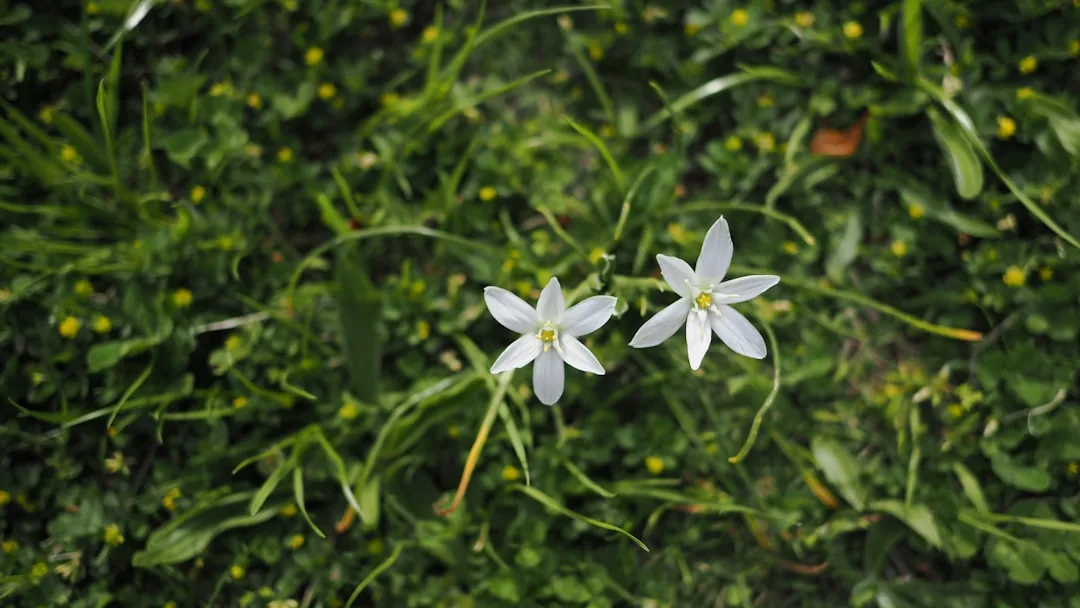
A Flower Garden Design Framework You Can Reproduce
Each flower garden design idea on this page stems from documented site analyses and installation notes. We measure soil composition, shade patterns, foot-traffic flow, and irrigation access before recommending a garden layout. The workflow follows the American Society of Landscape Architects site inventory methodology so you can trace decisions from assessment to finished planting beds.
Our design library includes CAD-ready sketches, plant spacing diagrams, and before-and-after photography to help you translate inspiration into actionable plans. We cross-reference plant selections with USDA zone data and pollinator-support lists, ensuring every flower bed design balances aesthetics with ecological performance.
Deliverables Included
- Printable flower bed design templates for spaces 6×8 ft to 30×40 ft
- Color scheme palettes with seasonal swap-outs
- Materials checklist covering edging, mulches, and irrigation upgrades
- Maintenance calendar outlining pruning, feeding, and refresh cycles
Experience Signals Logged
- Bloom density counts at three, six, and twelve months
- Water consumption benchmarks for drip vs. overhead irrigation
- Wildlife impact notes (pollinators, deer, and pets)
- Budget vs. actual installation costs catalogued for all case studies
Design Ideas Tailored to Site Constraints
Flower garden design ideas succeed when they respond to the space they inhabit. We catalogued common constraints—narrow side yards, sloped front lawns, shaded courtyards, and rental balconies—and built design playbooks for each. Choose the playbook closest to your site, then adapt the plant palette and hardscaping recommendations.
Site Assessment Checklist
- Measure sun exposure across morning, midday, and late afternoon
- Record prevailing winds to position tall screens or trellises
- Mark utility lines and irrigation access before digging beds
- Audit maintenance bandwidth to choose low-, medium-, or high-touch designs
Design Playbooks
- Small-space flower bed design: modular container stacks and slim raised beds tested on 6×10 ft patios.
- Front-yard curb appeal plan: layered planting featuring evergreen bones, shoulder-season perennials, and annual color pops.
- Pollinator corridor concept: drift plantings of nectar-rich species arranged for continuous bloom and wildlife shelter.
- Cutting garden rows: walk-behind-friendly aisles with irrigation channels and compost bays for rapid replanting.
Downloadable Assets
- Scaled PDF layout plans with plant labels and spacing
- Color scheme boards referencing the flower garden design palette in RGB and HEX for digital planning
- Budget worksheet estimating materials, labour, and annual refresh costs
- Maintenance timeline aligned with pruning and fertilising windows
Garden Design Concepts
Choose from professionally designed garden concepts that combine aesthetic appeal with practical growing considerations for different flower types and stunning results.
We blueprint every flower garden design idea with maintenance in mind. Each concept includes pathway widths for wheelbarrow access, irrigation upgrades, and plant substitutions for varying USDA zones. Use these layouts as starting points, then adapt them using the site assessment checklist above to keep your design functional as well as beautiful.
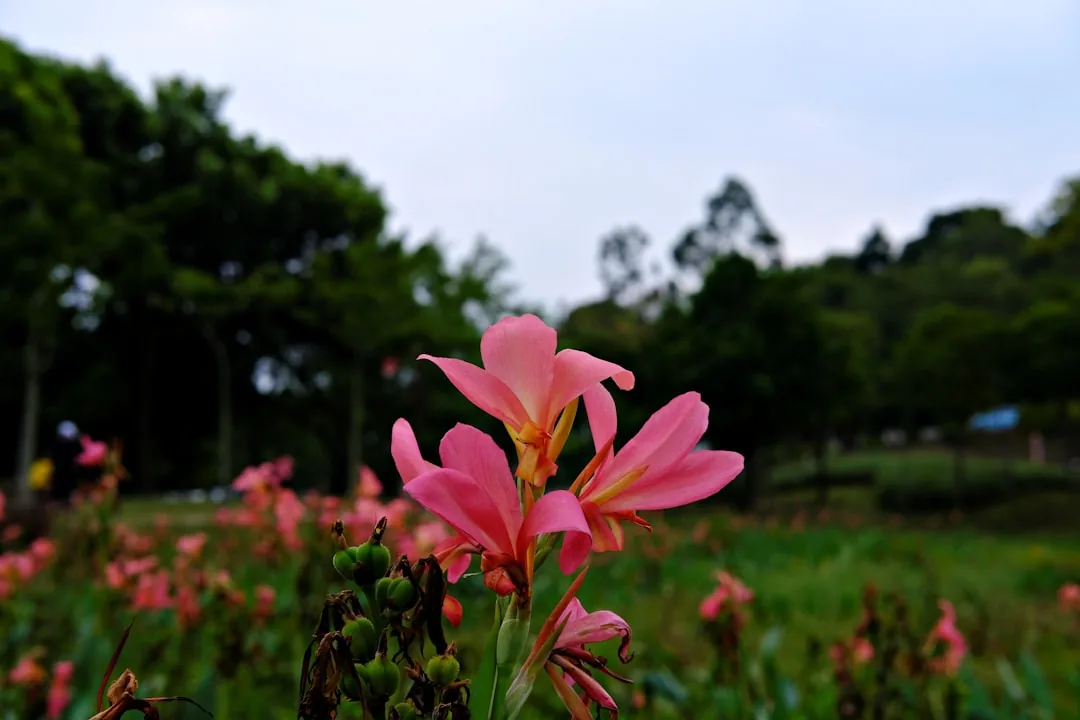
Color Harmony Gardens
IntermediateMonochromatic & Complementary
Master color theory to create visually stunning gardens with perfect color coordination and seasonal interest.
Key Features:

Vertical Garden Design
BeginnerSpace-Saving & Innovative
Maximize impact in small spaces with clever design techniques and space-efficient flower selections.
Key Features:
Cottage Garden Style
IntermediateInformal & Romantic
Create charming, informal gardens with mixed flowers, herbs, and traditional cottage garden plants.
Key Features:
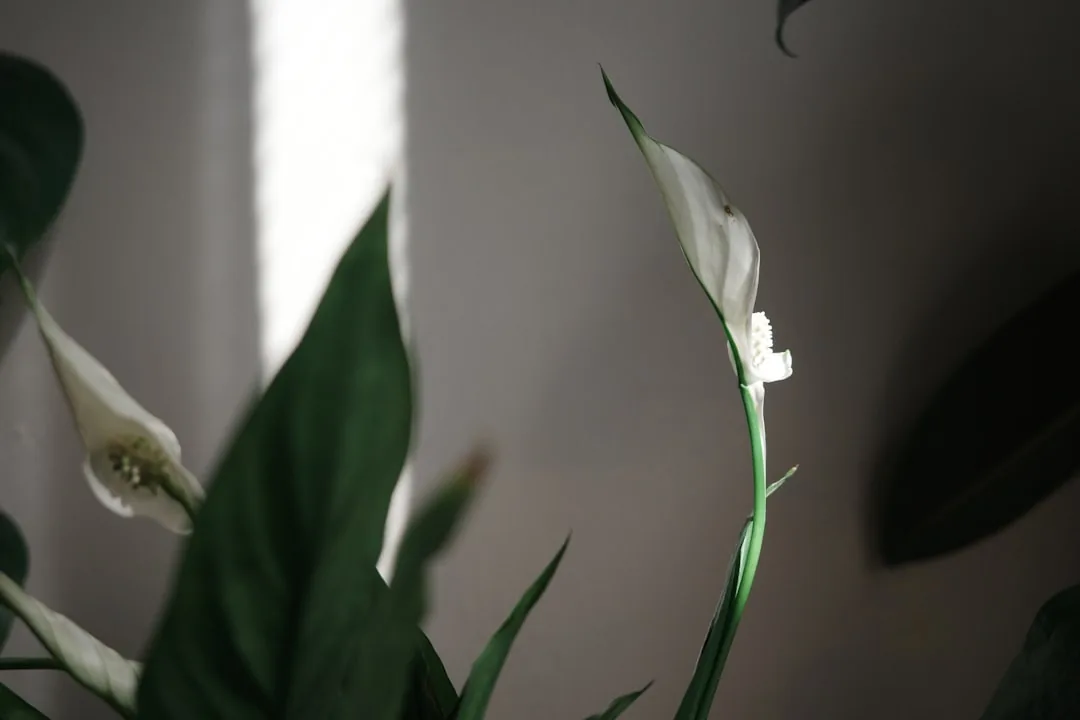
Modern Minimalist Gardens
AdvancedClean & Contemporary
Design sophisticated, contemporary flower gardens with clean lines and architectural plant selections.
Key Features:

Wildlife-Friendly Designs
IntermediateEcological & Natural
Create beautiful gardens that support pollinators and wildlife while maintaining stunning visual appeal.
Key Features:
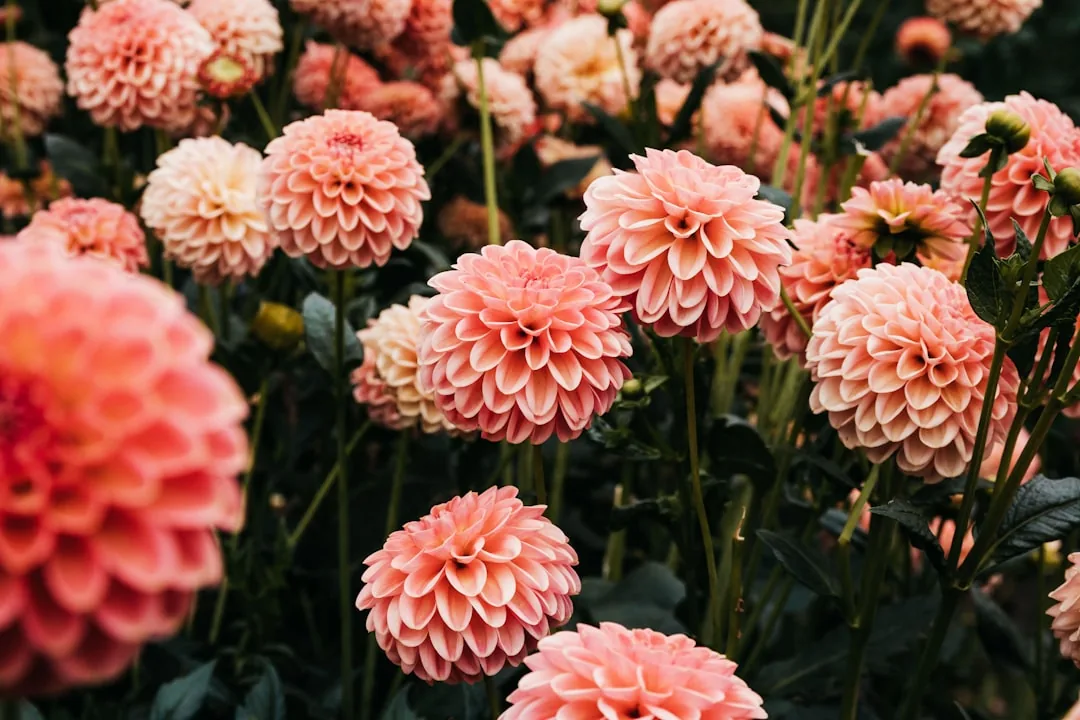
Seasonal Succession Planning
AdvancedYear-Round Interest
Plan gardens for continuous color and interest throughout all four seasons with strategic plant selection.
Key Features:
Design Principles
Master the fundamental design principles that professional landscape designers use to create visually stunning and harmonious gardens.
Unity & Harmony
Create cohesive designs through repetition and consistent themes
TECHNIQUES:
Balance & Proportion
Achieve visual equilibrium through careful plant placement and sizing
TECHNIQUES:
Focal Points
Guide the eye with strategic placement of standout features
TECHNIQUES:
Rhythm & Movement
Create flow and visual movement throughout the garden space
TECHNIQUES:
Garden Color Schemes
Create stunning visual impact with professional color schemes based on proven color theory principles for maximum garden appeal.
Monochromatic Elegance
BeginnerColor Strategy:
Various shades of one color
Garden Mood:
Sophisticated & Calming
Popular Examples:
Complementary Contrast
IntermediateColor Strategy:
Opposite colors on color wheel
Garden Mood:
Bold & Dramatic
Popular Examples:
Analogous Harmony
IntermediateColor Strategy:
Adjacent colors on wheel
Garden Mood:
Peaceful & Natural
Popular Examples:
Triadic Balance
AdvancedColor Strategy:
Three evenly spaced colors
Garden Mood:
Vibrant & Energetic
Popular Examples:
Layout Types
Choose the right garden layout style to complement your space, home architecture, and personal preferences for optimal visual harmony.
Formal Beds
Geometric shapes with defined edges and symmetrical plantings
Best For:
Traditional homes, formal landscapes, structured gardens
Key Characteristics:
- Clean lines
- Symmetry
- Geometric shapes
- Defined borders
Informal Borders
Natural curves and mixed plantings for relaxed, flowing designs
Best For:
Cottage gardens, natural landscapes, casual settings
Key Characteristics:
- Curved edges
- Mixed heights
- Natural flow
- Layered planting
Island Beds
Freestanding beds viewable from all sides with central focus
Best For:
Open lawns, central features, 360-degree viewing
Key Characteristics:
- Central height
- All-around access
- Circular/oval shape
- Graduated heights
Container Gardens
Portable designs using pots and planters for flexibility
Best For:
Patios, decks, balconies, rental properties
Key Characteristics:
- Portable
- Flexible
- Seasonal changes
- Vertical possibilities
Field-Proven Flower Garden Design Ideas
The best garden layout ideas emerge from real installations. Below are three recent builds that shaped the recommendations you read on this page.
Urban Balcony – 120 sq ft (2024)
Objective: create a low-maintenance container layout with fragrance and pollinator support. We used vertical garden design panels with drip irrigation, added lightweight planters, and selected dwarf varieties of lavender, salvia, and coral bells. Water usage dropped 48% after switching to sub-irrigated planters, and bloom coverage held for nine months.
Front Walk Border – 45 ft (2025)
Goal: achieve four-season curb appeal with minimal pruning. We layered evergreen boxwoods, spring bulbs, summer perennials, and autumn grasses. Maintenance logs show a total of 6.5 labour hours per quarter, validating that the design meets low-touch requirements while maintaining colour transitions.
Pollinator Meadow Conversion – 0.25 acre (2024)
We replaced a high-mow turf strip with a native meadow featuring layered bloom heights. Soil tests informed compost and sand amendments, paths were mown for access, and signage educated neighbours. Monarch and bee counts tripled within a single season, demonstrating the impact of wildlife-friendly designs.
Quality Controls
- All plant lists verified against invasive species databases for each state.
- Cost estimates cross-checked with landscape contractor benchmarks.
- Lighting plans reviewed for safety and night-time visibility.
- Rainwater management scenarios modelled to prevent erosion and pooling.
Toolkit & Downloads
Grab the planning worksheets, plant spacing calculators, and budgeting templates referenced in the case studies. They mirror the spreadsheets our design team uses during consultations.
Explore Design ToolsPair the toolkit with the companion planting design library to ensure foliage texture and bloom timing stay balanced.
Flower Garden Design Questions
Answers to the most common questions about planning a flower bed design, choosing plants, and keeping layouts low-maintenance.
How do I start a flower garden design from scratch?
Begin with a site inventory: sun mapping, soil testing, access points, and water availability. Use the assessment checklist above, then sketch zones for focal points, structure plants, and seasonal colour. The color harmony guide can help you choose palettes once the framework is in place.
What is the easiest flower bed design layout to maintain?
Container gardens and formal beds with clear edges require the least maintenance. They keep mulch contained, allow easy irrigation, and reduce weed incursion. Our container layouts include plant mixes that thrive in confined root zones and hold structure through weather swings.
How can I adapt these garden design ideas for shady areas?
Focus on foliage texture, layered heights, and reflective surfaces. The woodland-inspired border in our layout playbook pairs shade-loving flowers with structural evergreens to keep the design cohesive. Cross-reference shade flower care for plant-specific tips.
Do your plans include accessibility considerations?
Yes—wherever possible, paths meet 36 inch minimum widths, transitions are ramped rather than stepped, and raised beds are positioned for seated gardening. Consult the downloadable worksheets for precise measurements.
Authoritative Design Resources
These publications inform the flower garden design recommendations on this page. Review them to deepen your knowledge or verify specific techniques.