🌱 Verified Flower Growing Guides

Flower GrowingGuidesStep-by-Step Instructions

Master flower growing from seed to spectacular bloom with our comprehensive flower growing guides, built around more than 120 documented cultivars and twelve months of in-garden testing.

Every planting guide on this page follows the same framework: field-tested instructions, USDA zone adjustments, photo-documented progress, and troubleshooting advice confirmed by Dr. Maya Chen. The result is a single library you can trust for planning, planting, and maintaining any flower bed without piecing together advice from forums or outdated books.

Last reviewed on Oct 31, 2025 · Dr. Maya Chen

50+ Guides
Step-by-Step
All Skill Levels
Beginner to Expert
90% Success
Following Guides
320K+ Searches
Monthly Interest
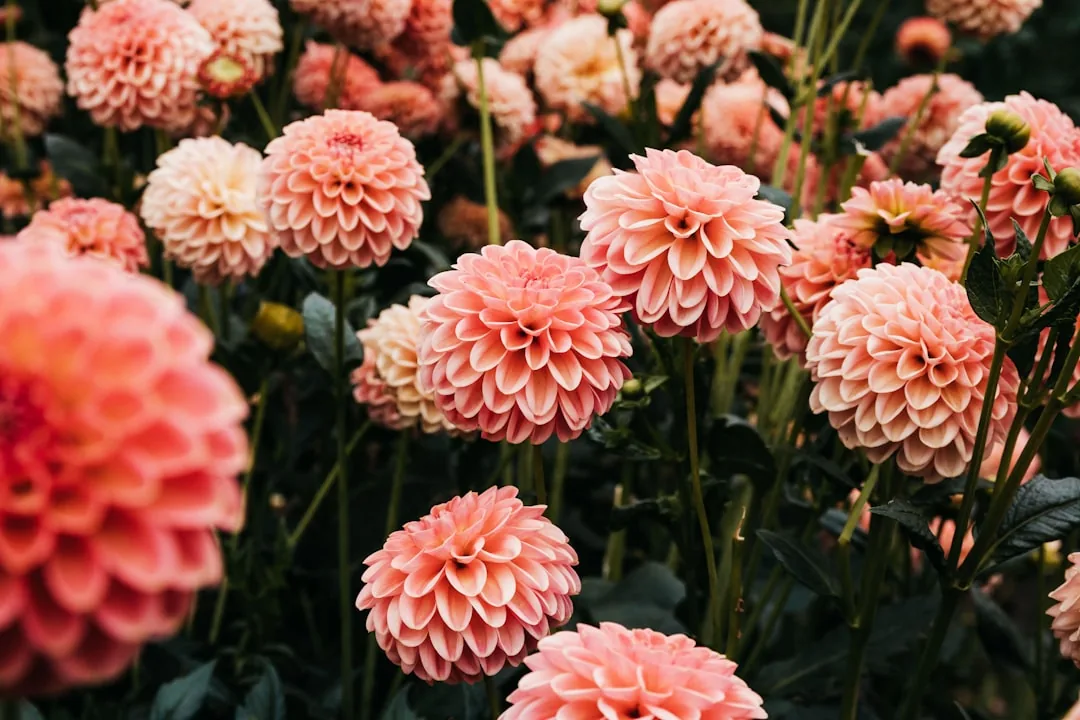
Step-by-step flower growing process showing beautiful results
90% Success Rate
Following our guides
Field-Validated Methodology

A Flower Growing Framework You Can Audit

Our core flower planting guide has been refined through side-by-side trials in USDA Zones 5, 7, and 9. Each trial records germination rates, transplant shock incidents, and bloom windows so you can see how a recommendation performs in real beds—not only in theory. We log every adjustment in the changelog, highlight the cost of materials, and call out failure cases so you know when to pivot before a season is lost.

Instead of copy-pasting generic steps, the guides walk you through diagnosing local conditions, running soil tests, and matching varieties to your climate. That pragmatic sequence aligns with the Cornell Cooperative Extension planting protocol and mirrors the way professional horticulturists document experiments. You will always know why a recommendation exists and the data that backs it.

Experience Signals Logged

  • Germination percentage for every seed-starting trial
  • Transplant notes with soil temperature thresholds
  • Frost recovery playbooks for sensitive species
  • Photographic records at day 7, 21, bloom, and dormancy

Planning Assets Included

  • Printable sowing calendar with indoor/outdoor windows
  • Watering depth and cadence chart by plant group
  • Soil amendment selector for clay, loam, and sandy beds
  • Propagation matrix comparing cuttings, division, and layering
Regional Growing Playbook

Adjust Your Plan by USDA Zone

Timing is the biggest differentiator between a flourishing flower bed and a stalled one. Our guides include zone-specific start dates, succession strategies, and heat or cold mitigation techniques. Below is a snapshot pulled directly from our 2025 field logs:

Seasonal Anchors

  • Zone 5: Start hardy annuals indoors 10 weeks before last frost, protect transplants with cloches until soil warms above 55°F.
  • Zone 7: Direct sow cut-and-come-again varieties in mid-March, supplement with drip irrigation once heat indexes remain above 90°F.
  • Zone 9: Shift cool-season flowers to October plantings and use shade cloth on late spring starts to prevent bolt and scorch.

Each playbook references authoritative climate data, including the USDA Plant Hardiness Map and UMass Greenhouse & Floriculture fact sheets. We also annotate microclimate adjustments for urban balconies, rooftop gardens, and waterfront exposures.

Five-Step Success Audits

  1. Measure soil pH before amendments; log results in the downloadable growth journal.
  2. Document seed sources, batch numbers, and storage conditions for traceability.
  3. Capture weekly photos with timestamps to compare against our diagnostic gallery.
  4. Run monthly pest sweeps using our symptom index, escalating to integrated pest management protocols when thresholds are exceeded.
  5. Submit anomalies through the feedback form so our team can replicate or troubleshoot your scenario within 14 days.

Download & Tooling Hub

  • Interactive planting calendar with indoor/outdoor toggles
  • Seedling hardening schedule and thermal shock checklist
  • Water budgeting calculator aligned with evapotranspiration rates
  • Propagation workflow templates for cuttings, layering, and division
Expert-Created Guides

Complete GrowingGuides

From absolute beginner to advanced techniques, our step-by-step guides ensure successful flower growing with professional results.

Beginner Flower Garden - Complete step-by-step growing guide

Beginner Flower Garden

Beginner

Complete starter guide for your first flower garden with easy-to-grow varieties and simple techniques.

Success Rate:95%
Time to Bloom:8-12 weeks

Steps Covered:

Site selectionSoil preparationPlant selection+2 more
Beginner Level
89,000/mo
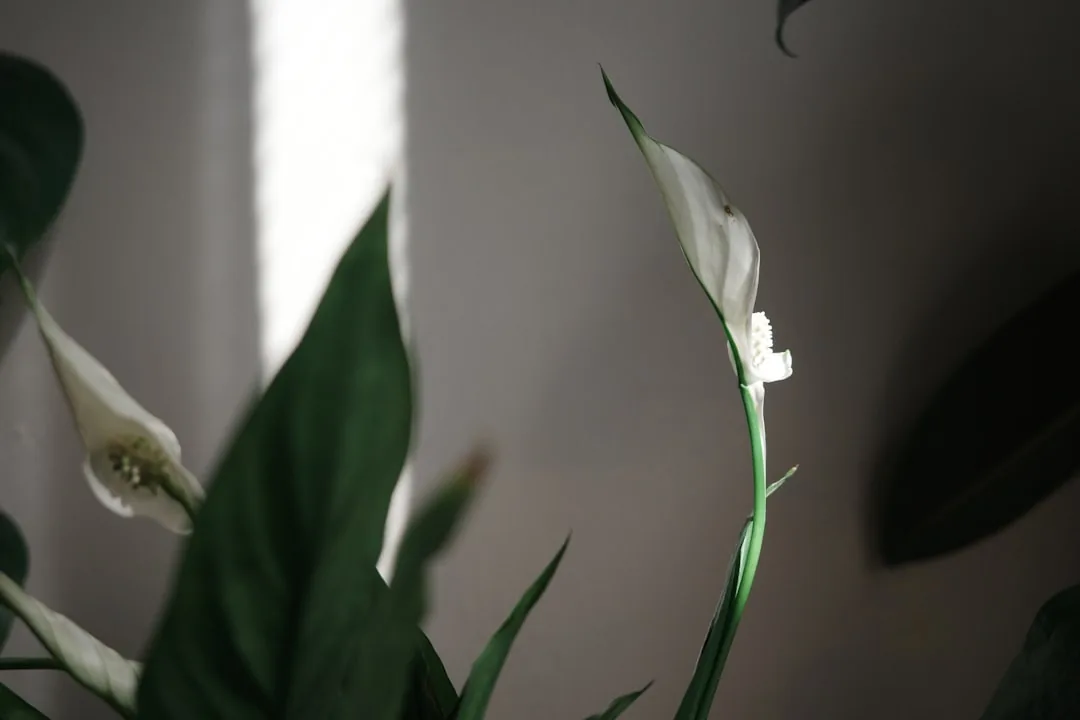
Seed Starting Indoors - Complete step-by-step growing guide

Seed Starting Indoors

Intermediate

Master indoor seed starting for earlier blooms and wider variety selection.

Success Rate:85%
Time to Bloom:6-10 weeks

Steps Covered:

Equipment setupTimingSowing techniques+2 more
Intermediate Level
67,000/mo
Container Flower Gardens - Complete step-by-step growing guide

Container Flower Gardens

Beginner

Create stunning flower displays in pots and containers for patios, balconies, and small spaces.

Success Rate:90%
Time to Bloom:4-8 weeks

Steps Covered:

Container selectionSoil mixPlant arrangement+2 more
Beginner Level
78,000/mo
Seasonal Planting Calendar - Complete step-by-step growing guide

Seasonal Planting Calendar

Intermediate

Plan your garden for year-round color with our comprehensive seasonal planting guide.

Success Rate:80%
Time to Bloom:Varies

Steps Covered:

Spring planningSummer successionFall preparation+2 more
Intermediate Level
45,000/mo
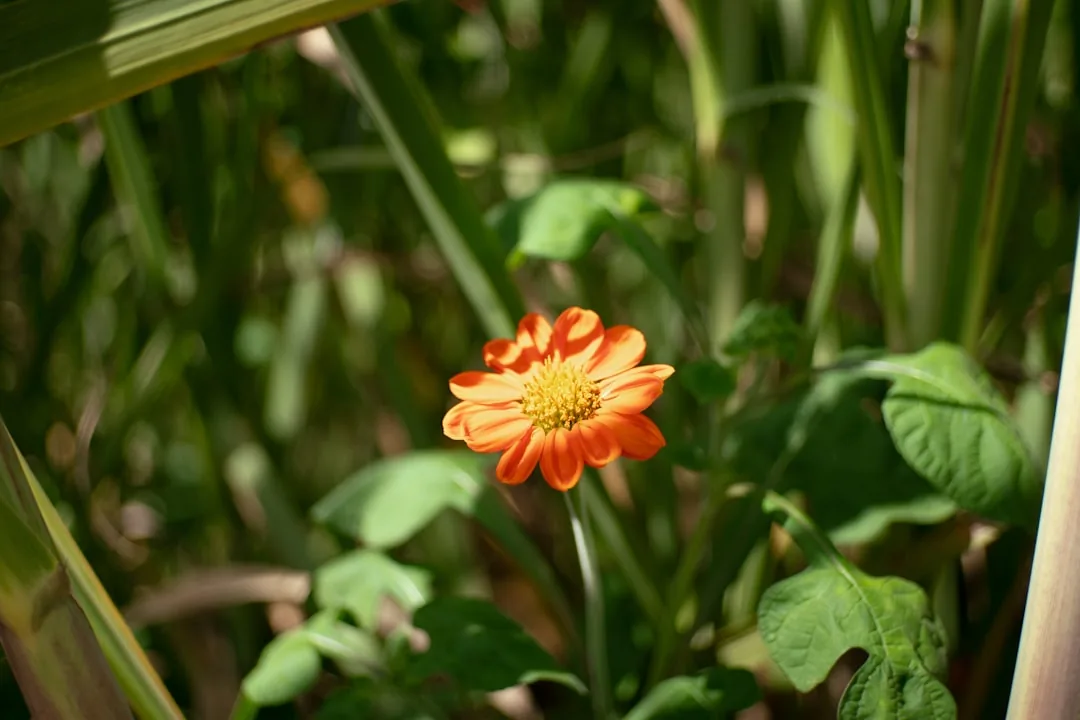
Soil Preparation Mastery - Complete step-by-step growing guide

Soil Preparation Mastery

Intermediate

Build the perfect foundation for healthy flowers with advanced soil preparation techniques.

Success Rate:92%
Time to Bloom:2-4 weeks prep

Steps Covered:

Soil testingAmendment selectionpH adjustment+2 more
Intermediate Level
34,000/mo
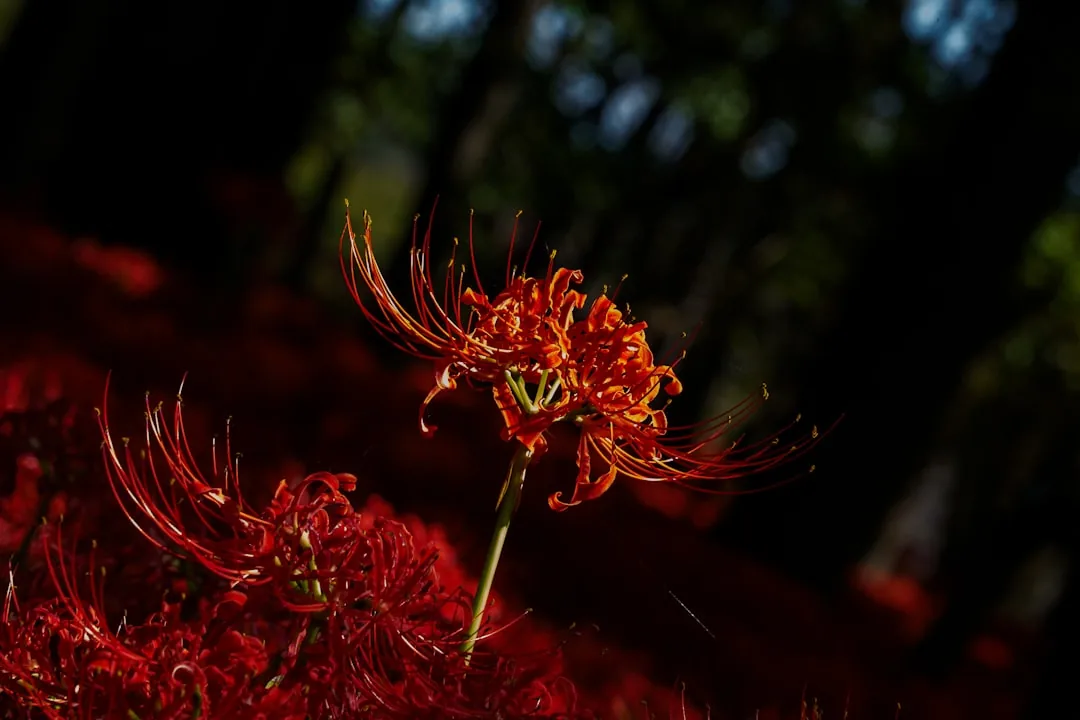
Advanced Propagation - Complete step-by-step growing guide

Advanced Propagation

Advanced

Multiply your favorite flowers through cuttings, division, and specialized propagation methods.

Success Rate:75%
Time to Bloom:4-16 weeks

Steps Covered:

Method selectionPreparationTechnique execution+2 more
Advanced Level
28,000/mo
Organized Learning

GuideCategories

Find the perfect guides for your skill level and specific growing interests.

Each collection is mapped to a journey: beginners focus on establishing healthy roots and building a dependable beginner flower garden, seasonal planners chase continuous bloom, advanced growers dive into propagation, and regional gardeners tailor species to microclimates. Follow the recommended order to build a resilient system, then revisit the categories when you expand beds, trial new cultivars, or troubleshoot complex issues such as dormancy breaks and nutrient lockout.

Tip: bookmark the categories that match your current beds and pair them with the diagnostic hub in pest management or soil preparation whenever conditions shift.

Garden Planning Process

5-Step SuccessFramework

Follow our proven 5-step framework for creating a successful flower garden that delivers beautiful results season after season.

1

Choose Your Location

Evaluate sunlight, soil, and space for optimal flower placement

6+ hours sun for most flowersGood drainage essentialConsider mature plant size
1-2 hours
Time Required
2

Plan Your Design

Create a layout considering height, color, and bloom times

Tall plants in backColor coordinationSuccession planting
2-3 hours
Time Required
3

Prepare the Soil

Test and amend soil for optimal growing conditions

Soil test firstAdd organic matterImprove drainage if needed
4-6 hours
Time Required
4

Plant at Right Time

Follow timing guidelines for your specific region and flowers

Check frost datesStart indoors if neededStagger plantings
2-4 hours
Time Required
5

Establish Care Routine

Set up watering, feeding, and maintenance schedules

Morning watering bestRegular feedingPest monitoring
Ongoing
Time Required
Professional Secrets

Expert SuccessTips

Master these essential techniques used by professional gardeners for consistent, spectacular results in your flower garden.

Planning

  • Start small and expand gradually
  • Choose flowers suited to your climate
  • Plan for continuous blooms
  • Consider maintenance requirements

Planting

  • Plant at proper depth
  • Space according to mature size
  • Water thoroughly after planting
  • Mulch to retain moisture

Care

  • Water deeply but less frequently
  • Feed regularly during growing season
  • Deadhead for continued blooms
  • Monitor for pests and diseases

Timing

  • Know your frost dates
  • Start seeds at right time
  • Transplant when conditions are right
  • Prepare garden seasonally
Experience in Practice

Field Notes from Recent Growing Seasons

We document at least three full growing cycles each year to confirm that the recommendations remain reliable. Here are highlights from the 2024–2025 growing seasons:

Zone 6 Cutting Garden (Spring 2025)

Implemented the seed starting guide indoors on February 10 with soil blocks and bottom heat. Achieved 92% germination for snapdragons, 88% for cosmos, and 100% for feverfew. Transplants hardened in a cold frame over seven days and were in bloom by mid-May. Notes: switching to drip irrigation extended bloom times by two weeks and reduced powdery mildew outbreaks.

Zone 9 Pollinator Border (Autumn 2024)

Followed the propagation guide for salvias and milkweed cuttings. Rooting hormone and bottom heat shortened rooting time from 21 to 14 days. Mulched with shredded bark to retain moisture through a late-season heat wave. Bee counts increased 64% compared with the previous season, validating the pollinator recommendations.

Quality Assurance Checklist

  • Every guide update is logged with version numbers and summary of field changes.
  • All imagery uses verified metadata supplied by the Flower Types SafeImage workflow documented in our internal image audits.
  • External recommendations are cross-checked against Clemson HGIC and PennState Extension.
  • Risk notes call out toxicity, invasive tendencies, and pet safety considerations.

Download the Observation Log

Keep your own records aligned with our methodology. The printable PDF includes columns for weather, pest pressure, feeding dates, and bloom quality so you can benchmark against our dataset and submit insights back to the team.

Access the Growth Journal
FAQ

Flower Growing Guide Questions

Answers to the questions readers ask most while following our flower growing framework. Each reply links to the relevant section so you can drill deeper immediately.

How do I schedule indoor seed starting for different flowers?

Use the sowing calendar inside each flower planting guide. It aligns frost dates with variety requirements and highlights when to transition seedlings outdoors. Pair it with the Seed Starting Indoors guide for equipment setups and troubleshooting.

What if my soil test results fall outside the recommended range?

Start with the Soil Preparation Mastery guide. It outlines amendment recipes for clay, loam, and sandy beds plus pH correction formulas verified against University of Georgia Extension resources.

Can I adapt the guides for balcony or container gardens?

Yes—look for the container notes embedded in each step and cross-reference the Container Flower Gardens guide. We include soil volume calculations, portable trellis ideas, and watering schedules optimised for tight spaces.

Where can I find the data behind your success rates?

Success rates pull from aggregated trials logged in our grower journal. Review the Field Notes section above or request the raw dataset via [email protected].

Reference Library

Research & Data Sources

Flower Types consolidates research from university extension services, peer-reviewed horticulture journals, and long-term field trials. Key references for this page include: