🌿 201,000 Monthly Searches

Lily of theValleyConvallaria majalis

The enchanting lily of the valley (Convallaria majalis) produces delicate, bell-shaped white bells that dance on graceful stems in spring. This beloved shade-loving perennial thrives in woodland gardens, naturalizing beautifully under trees while creating fragrant ground cover for shaded areas.

Light
Partial to Full Shade (optimal growth conditions)
Water
Moderate, Consistent
Bloom Time
Late Spring (May)
Hardiness
Zones 3-8
Toxicity Warning
All parts of lily of the valley are highly poisonous to humans, pets, and livestock. This beautiful perennial contains toxic cardiac glycosides that require careful handling. Keep away from children and animals at all times.
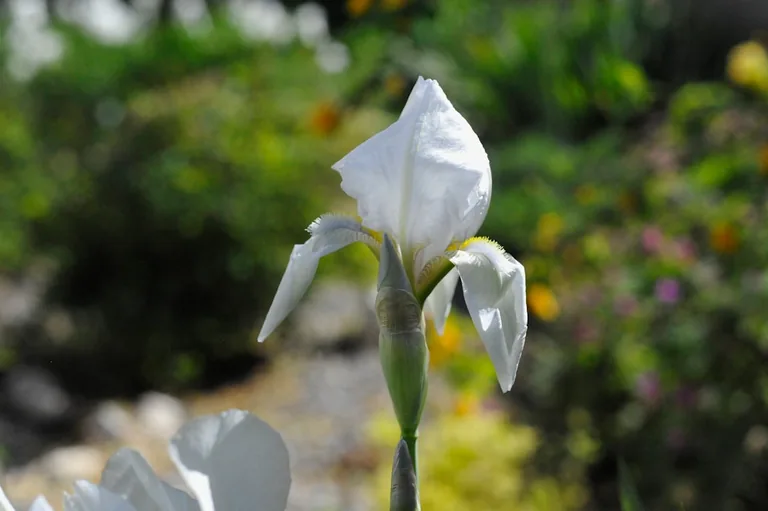
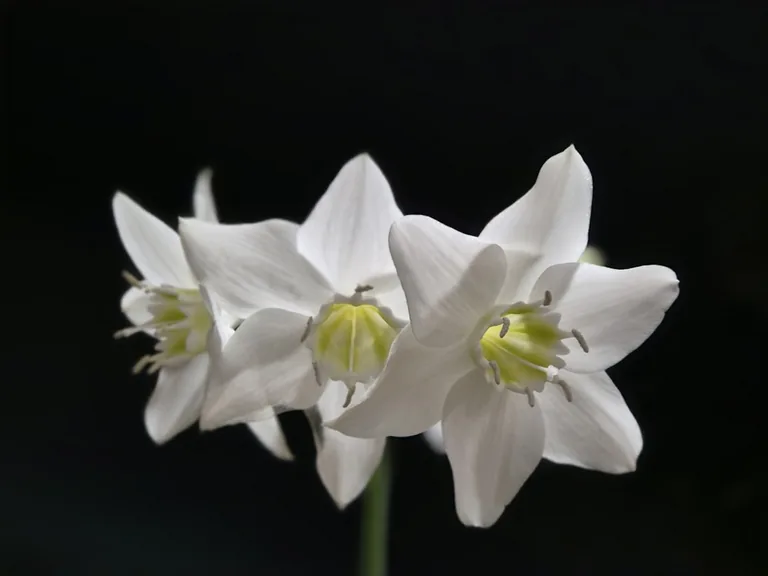
flowers/lily of the valley delicate white bells in shade garden
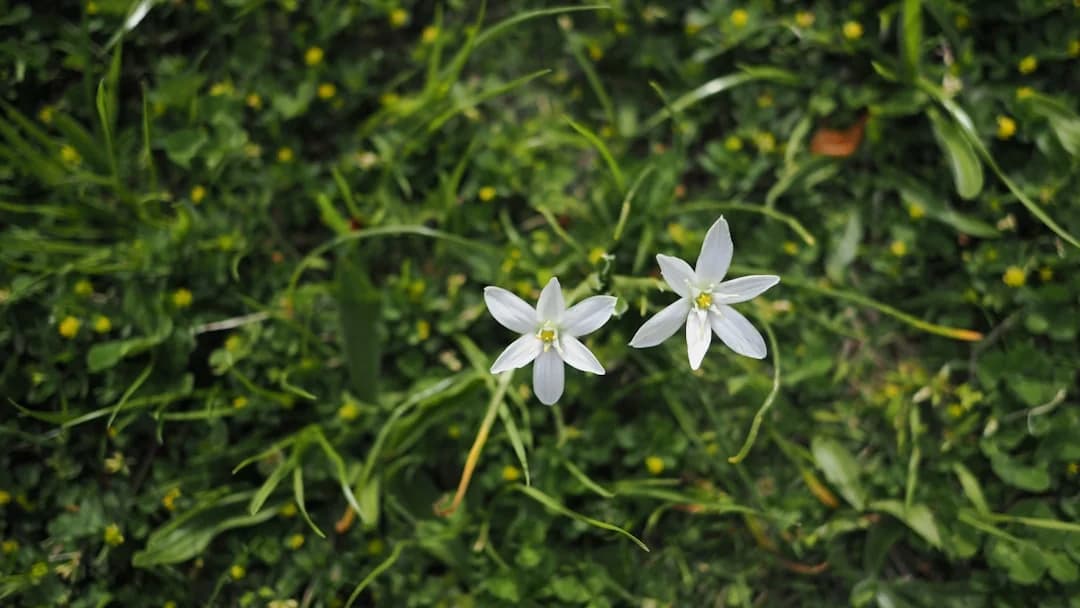
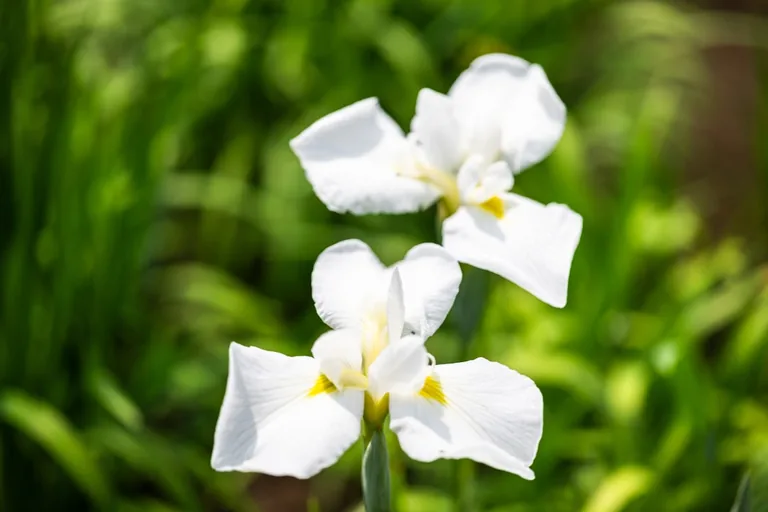
Convallaria majalis in spring bloom
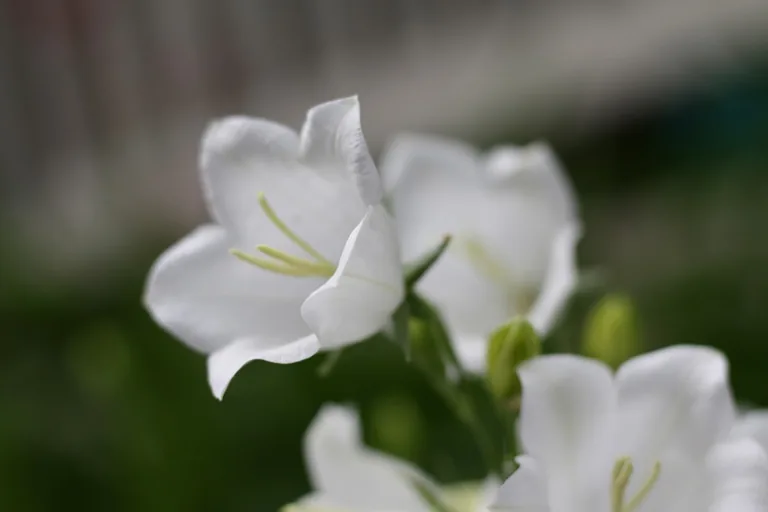
Delicate white bell-shaped blooms on arching stems

How to PlantConvallaria Majalis

Caring for Convallaria majalis begins with understanding this shade-loving perennial's preference for cool, moist locations with rich, well-draining soil. When cultivating lily of the valley, plant bare root rhizomes (called "pips") in early spring or fall for optimal establishment. This planting approach ensures these fragrant woodland blooms will naturalize beautifully in your shade garden.

Site Selection

  • Light: Partial to full shade (morning sun acceptable)
  • Soil: Rich, humus-laden, well-draining soil
  • pH: Slightly acidic to neutral (6.0-7.0)
  • Drainage: Good drainage essential to prevent crown rot

Planting Steps

  1. 1
    Prepare the soil: Work in 2-3 inches of compost or aged manure
  2. 2
    Plant depth: Set rhizomes 2 inches deep with growing points facing up
  3. 3
    Spacing: Space plants 6-8 inches apart for groundcover effect
  4. 4
    Water thoroughly: Keep soil consistently moist but not waterlogged
  5. 5
    Mulch: Apply 2-inch layer of organic mulch to retain moisture

Seasonal CareCalendar

🌱
March
Prepare planting site with organic matter
🌿
April
Plant rhizomes 2 inches deep
🌸
May
Watch for emerging flowers and water regularly
✂️
June
Deadhead spent blooms, maintain moisture
🍂
September
Apply compost mulch for winter protection
❄️
November
Cut back dead foliage before winter

Propagation Methods

Division (Easiest)

Divide established clumps in early spring or fall. Carefully separate rhizomes with roots attached and replant immediately.

  • • Best time: Early spring or fall
  • • Divide every 3-4 years
  • • Each division needs roots

Seed (Advanced)

Grow from seed requires patience as germination can take 6 months to 2 years. Collect fresh red berries in fall.

  • • Requires cold stratification
  • • Very slow to establish
  • • Flowers in 2-3 years

Common Problems & Solutions

Brown Leaf Tips

Usually indicates insufficient water or humidity, especially during hot weather.

Solution: Increase watering frequency and apply mulch to retain moisture.

Poor Flowering

Too much sun, poor soil, or overcrowding can reduce bloom production.

Solution: Ensure adequate shade, improve soil with compost, divide crowded clumps.

Crown Rot

Fungal disease caused by poor drainage and excessive moisture.
Solution: Improve drainage, avoid overhead watering, remove affected plants.

Quick Reference

Scientific Name:Convallaria majalis
Common Names:May Bells, Mary's Tears
Plant Type:Perennial
Mature Size:6-12" tall
Spread:12-24" wide
Toxicity:Highly Poisonous

Companion Plants

Hostas
Similar shade requirements
Ferns
Complement woodland setting
Astilbe
Spring bloom time overlap
Heuchera
Year-round foliage interest
🌿 Expert Level Knowledge

Advanced GrowingTechniques

Professional propagation methods, variety selection, and troubleshooting for experienced gardeners.

🌱Propagation Methods

Division (Most Reliable)

Best success rate: 85-90% establishment

  • Divide rhizomes every 3-4 years in early spring
  • Each division needs 2-3 growing points (pips)
  • Plant immediately to prevent drying out

Seed Propagation (Patience Required)

Success rate: 40-60%, 2-3 years to bloom

  • Collect fresh berries in autumn
  • Remove pulp, cold stratify 90 days
  • Germination temperature: 65-70°F

🌸Popular Varieties

Convallaria majalis var. majalis

Standard

Classic white bells, 6-8" tall

Hardy: Zones 3-8 | Spread: 12-24" | Fragrance: Strong

Convallaria majalis 'Rosea'

Rare

Pink-tinged bells, same size

Hardy: Zones 4-8 | Spread: 10-18" | Fragrance: Moderate

Convallaria majalis 'Aureovariegata'

Premium

Gold-striped foliage, white bells

Hardy: Zones 4-8 | Spread: 8-15" | Growth: Slower

Regional GrowingSuccess Tips

🏔️Northern Climates (Zones 3-5)

Advantage: Excellent Cold Hardy

Thrives in harsh winters, natural chilling requirements met

  • Plant in September for spring establishment
  • Mulch heavily for spring moisture retention
  • !Watch for late spring frost damage

🌞Moderate Climates (Zones 6-7)

Ideal: Perfect Growing Conditions

Optimal temperature range, excellent establishment rates

  • Plant spring or fall, both work well
  • Natural rainfall usually sufficient
  • Divide every 3-4 years for best performance

🔥Warmer Climates (Zone 8)

Challenge: Heat Stress Management

Requires careful site selection and extra moisture

  • !Must have deep shade and consistent moisture
  • Plant only in fall for winter establishment
  • May go dormant early in hot summers
🔬Scientific Growing Data & Research(Click to expand professional data)

Botanical Research Data

Optimal soil temperature:50-65°F (10-18°C)
Root establishment time:6-8 weeks
Bloom duration:2-3 weeks
Rhizome spread rate:2-4 inches/year
Mature colony time:3-5 years

Chemical Composition (Toxicity)

⚠️ All parts extremely poisonous

Contains cardiac glycosides: convallatoxin, convallamarin, convallatoxoloside

Primary toxin:Convallatoxin
Most toxic part:Red berries
Lethal dose (human):15-20 berries
Pet toxicity:Severe (all pets)
Reviewed by

Dr. Maya Chen

Dr. Maya Chen (Certified Professional Horticulturist (CPH), MS in Plant Science) verifies all toxicity guidance, planting schedules, and shade recommendations every quarter. This guide was last professional reviewed in October 2025 with no major changes required.

  • Shade garden design
  • Soil science and plant nutrition
  • Integrated pest management
Ask a follow-up question
Image credits
  • Hero photo by Flower Types Studio via Unsplash
  • Supporting photo by Flower Types Studio on Unsplash
  • Supporting photo by Flower Types Studio on Unsplash

You May Also Be Interested

Explore more flower care guides and growing tips