Published · Updated
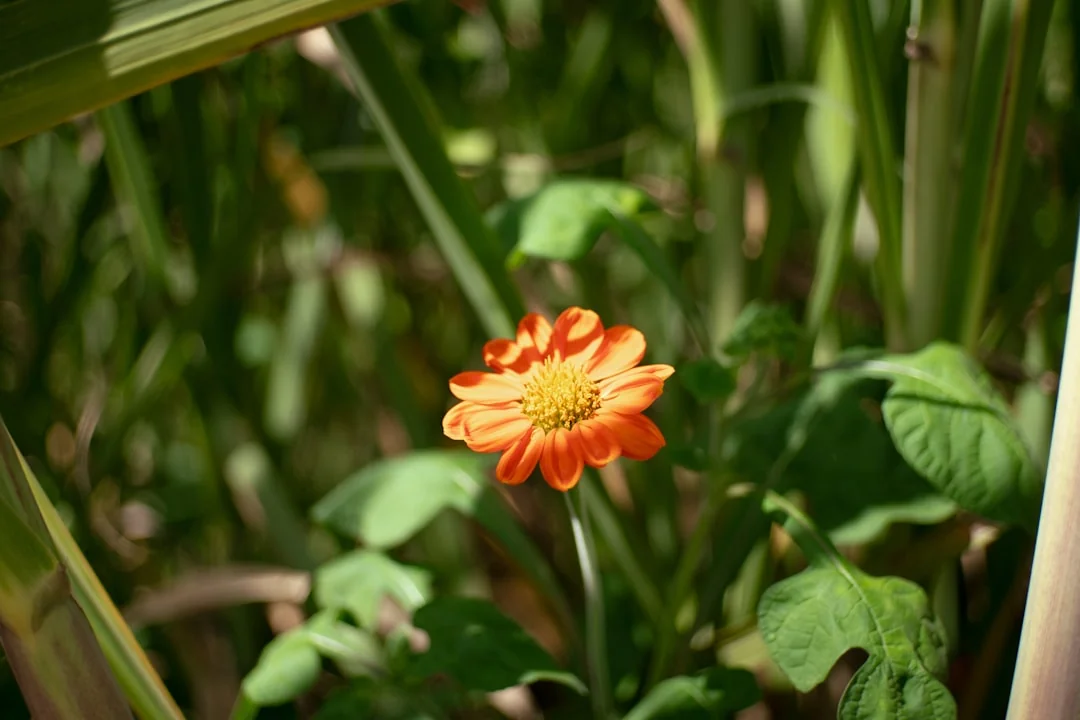
Tiger Lily Varieties
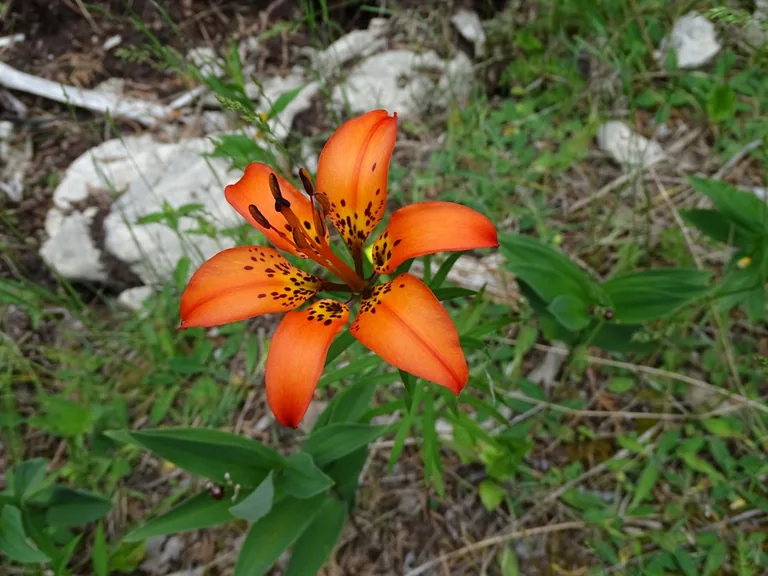
True Tiger Lily
Lilium lancifolium
Classic variety with bulbils, very hardy, naturalizes easily
Tiger Lily Splendens
L. lancifolium var. splendens
Larger flowers, more spots, vigorous grower
Flore Pleno
L. lancifolium var. fortunei
Double-flowered form, very showy, sterile (no bulbils)
White Tiger
L. lancifolium var. album
Rare white form, same growing habits as orange
How to Grow Tiger Lilies
🌱 Planting Tiger Lily Bulbs
Tiger lilies are among the easiest lilies to grow. Plant bulbs in fall or early spring in well-draining soil with good organic content. They prefer full sun but tolerate partial shade.
- Planting depth: 3 times the bulb height (usually 6-8 inches deep)
- Spacing: 12-18 inches apart for good air circulation
- Soil prep: Add compost or aged manure to improve soil
- Drainage: Ensure excellent drainage to prevent bulb rot
💧 Watering and Care
Tiger lilies need consistent moisture during the growing season but should not be waterlogged. They're quite drought tolerant once established and require minimal maintenance.
- Watering: Deep weekly watering during growing season
- Mulching: 2-3 inches of organic mulch to retain moisture
- Fertilizing: Balanced 10-10-10 in early spring
- Staking: Tall varieties may need support in windy areas
✂️ Deadheading and Maintenance
Remove spent flowers to direct energy back to the bulb, but leave the foliage intact until it yellows naturally. Tiger lilies produce bulbils that can be collected for propagation.
- Deadheading: Remove flowers after blooming but keep stems
- Foliage: Allow leaves to die back naturally in fall
- Bulbils: Collect small bulbs from stem joints in late summer
- Division: Divide clumps every 3-4 years if overcrowded
Tiger Lily Propagation Methods
Tiger lilies are unique among lilies for producing bulbils - small aerial bulbs that grow along the stem. This makes them incredibly easy to propagate and share with other gardeners.
Bulbils (Easiest)
95% successCollect aerial bulbs from stem
Bulb Division
85% successSeparate offset bulbs from main bulb
Scale Propagation
70% successPlant individual bulb scales
Seed (Advanced)
50% successGrow from seed if available
🌱 Bulbil Propagation Steps
- 1. Collection: Gather bulbils when they're dark and easily detached (late summer)
- 2. Planting: Plant immediately in prepared seedbed or containers
- 3. Depth: Plant just below soil surface, about 1 inch deep
- 4. Care: Keep moist but not wet, provide partial shade first year
- 5. Timeline: Expect flowering in 2-3 years from bulbils

Companion Planting Ideas
Perennials
- • Black-eyed Susan
- • Purple Coneflower
- • Bee Balm
- • Phlox
Similar height and bloom time
Shrubs
- • Butterfly Bush
- • Spirea
- • Weigela
- • Hydrangea
Provide background and structure
Annuals
- • Marigolds
- • Zinnias
- • Cleome
- • Cosmos
Fill gaps and extend color
Grasses
- • Fountain Grass
- • Feather Reed Grass
- • Little Bluestem
Add texture and movement
Monthly Care Calendar
Troubleshooting Common Issues
Red Lily Beetle
Bright red beetles that can defoliate plants rapidly if not controlled.
Bulb Rot
Soft, mushy bulbs usually caused by poor drainage or overwatering.
Poor Flowering
Reduced blooms may indicate overcrowding, poor nutrition, or too much shade.
Quick Reference
Ideal Conditions
Garden Uses
You May Also Be Interested
Explore more flower care guides and growing tips
Stargazer Lily
Grow stunning stargazer lilies with our expert planting and vase care guide.
Roses
Complete guide to growing and caring for roses, the world's most popular garden flower.
Pink Lily Varieties
Discover the most beautiful pink lily types with planting and care instructions.
Dahlia
Expert dahlia care from tuber planting to winter storage, with variety selection tips.
Calla Lily
Elegant calla lily growing guide covering indoor and outdoor cultivation.
Lily of the Valley
How to grow fragrant lily of the valley as ground cover in shade gardens.
Dr. Maya Chen (Certified Professional Horticulturist (CPH), MS in Plant Science)
Dr. Maya Chen reviewed this tiger lily care guide for accuracy, covering variety identification, bulbil propagation techniques, and companion planting advice.
- Verified tiger lily variety classifications and hardiness zones
- Reviewed bulbil propagation methods and success rates
- Confirmed companion planting recommendations and care calendar
- Validated pest management and troubleshooting guidance
Related Care & Guides
Deepen your knowledge with these related resources
More Flower Guides
Explore our complete collection of expert flower growing guides
Stargazer Lily
Grow stunning stargazer lilies with our expert planting and vase care guide.
Read Guide →Roses
Complete guide to growing and caring for roses, the world's most popular garden flower.
Read Guide →Pink Lily Varieties
Discover the most beautiful pink lily types with planting and care instructions.
Read Guide →Dahlia
Expert dahlia care from tuber planting to winter storage, with variety selection tips.
Read Guide →Calla Lily
Elegant calla lily growing guide covering indoor and outdoor cultivation.
Read Guide →Lily of the Valley
How to grow fragrant lily of the valley as ground cover in shade gardens.
Read Guide →Peace Lily
Indoor peace lily care guide covering light, water, and common problems.
Read Guide →Spider Lily
Unique spider lily care guide for red and white varieties in your garden.
Read Guide →