Deer Resistant Flowers: Protect Your Garden Naturally
Stop deer damage with beautiful flowers deer naturally avoid! Discover 40+ deer resistant flowering plants with proven effectiveness ratings, care tips, and strategic garden planning for deer-free blooms.
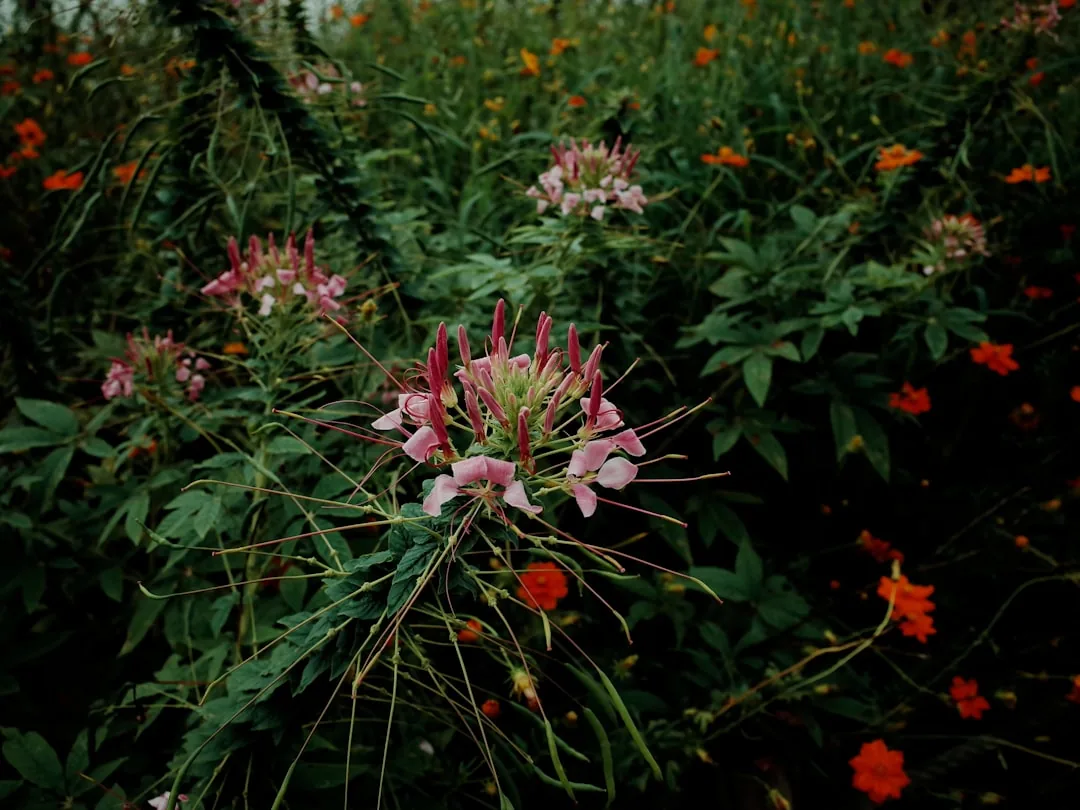
Image Credit: Photographer Marin huang (Unsplash)
How Deer Resistant Flowers Work
Strong Scents
Aromatic oils, minty fragrances, and pungent odors overwhelm deer's sensitive noses
Unpleasant Textures
Fuzzy, sticky, or rough leaves feel uncomfortable in deer mouths
Bitter or Toxic Compounds
Natural chemicals make plants taste bad or signal potential danger
Low Nutritional Value
Plants with high fiber content or low protein aren't worth the energy to eat
Deer Resistance Scale
Deer Resistance Effectiveness Guide
Deer Proof
Toxic or extremely unpalatable plants that deer never eat
Highly Resistant
Strong deterrents that deer avoid except when desperate
Moderately Resistant
Generally avoided but may be browsed occasionally
Low Resistance
Deer favorites that need protection to survive
Top Deer Resistant Flowering Plants
Lavender
Lavandula angustifolia
Highly fragrant purple spikes that deer find overwhelming
Additional Benefits
- • Attracts bees
- • Culinary uses
- • Natural pest deterrent
Marigolds
Tagetes
Strong-smelling flowers in bright orange and yellow
Additional Benefits
- • Pest control
- • Companion planting
- • Easy care
Salvia
Salvia nemorosa
Spiky purple, blue, or red flowers with textured leaves
Additional Benefits
- • Butterfly magnet
- • Drought tolerant
- • Low maintenance
Lamb's Ear
Stachys byzantina
Soft, silver-gray foliage with purple flower spikes
Additional Benefits
- • Drought tolerant
- • Ground cover
- • Tactile interest
Foxglove
Digitalis purpurea
Tall spikes of tubular flowers, highly poisonous
Additional Benefits
- • Shade tolerant
- • Cottage garden style
- • Self-seeding
Catmint
Nepeta × faassenii
Soft blue-purple flowers with aromatic gray-green foliage
Additional Benefits
- • Long blooming
- • Low water needs
- • Cat attractant
Snapdragons
Antirrhinum majus
Colorful spikes of snap-shaped flowers in many colors
Additional Benefits
- • Cut flowers
- • Cool weather lovers
- • Self-seeding
Bee Balm
Monarda didyma
Shaggy red, pink, or purple flowers that attract pollinators
Additional Benefits
- • Hummingbird favorite
- • Edible flowers
- • Native plant
Understanding Deer Behavior
Understanding Deer Preferences
Deer prefer tender, sweet plants like roses and tulips. They typically avoid plants with strong scents, fuzzy textures, or bitter/toxic compounds.
Seasonal Feeding Patterns
Deer feeding pressure increases in late fall and winter when natural food sources become scarce. Spring gardens are vulnerable as deer seek fresh growth.
Regional Variations
Deer resistance can vary by region and local deer population. Hungry deer will eat almost anything, so no plant is 100% deer-proof.
Young Plant Vulnerability
Even deer-resistant plants may be eaten when young and tender. Protect new plantings with barriers until they mature and develop their deterrent characteristics.
Garden Location Matters
Gardens near deer trails, bedding areas, or water sources face higher pressure. Consider deer movement patterns when planning resistant gardens.
Deer-Resistant Garden Design Strategies
🛡️ Fortress Garden
Create an outer ring of highly deer-resistant plants to protect more vulnerable flowers inside
- • Outer border: Lavender and marigolds
- • Middle layer: Salvia and catmint
- • Protected center: Roses or tulips
- • Natural barrier effect
🌺 Mixed Resistance Border
Combine plants with different resistance mechanisms for maximum effectiveness
- • Aromatic: Lavender, bee balm
- • Toxic: Foxglove, oleander
- • Textured: Lamb's ear, artichoke
- • Bitter: Snapdragons, calendula
🏺 Container Strategy
Use elevated containers to keep favorite flowers out of deer reach
- • Raise containers 3+ feet high
- • Group containers together
- • Surround with resistant ground cover
- • Easy to move when needed
Enhanced Deer Protection Methods
Physical Barriers
Fencing Solutions
8-foot tall fencing is most effective. Deer can jump 6 feet, so height is crucial.
Row Covers
Temporary protection for new plantings until they develop natural resistance.
Netting
Invisible barriers that don't obstruct garden views but protect plants.
Natural Deterrents
Companion Planting
Interplant resistant flowers with vulnerable ones for natural protection.
Scent Barriers
Plant aromatic herbs and flowers around garden perimeter.
Motion Deterrents
Sprinklers, lights, or noise makers that activate with movement.
Dr. Maya Chen (Certified Professional Horticulturist (CPH), MS in Plant Science)
Dr. Maya Chen cross-verified recommended flowers against the latest deer damage research from Rutgers, UGA, and Cornell, and added beginner-friendly deer deterrent strategies.
- Verified deer resistance ratings and regional variations for each flower
- Reviewed deer deterrent strategies and garden layout recommendations
- Confirmed recommended flowers are pollinator-friendly and safe
- Updated seedling protection and seasonal maintenance guidelines
Resistance ratings referenced Rutgers Deer Resistant Plant ratings along with the latest UGA and Cornell deer management guides, validated with real-world examples from the northeastern United States.
References
Rutgers New Jersey Agricultural Experiment Station - Landscape Plants Rated by Deer Resistance
Rutgers Cooperative Extension
Read OriginalMissouri Botanical Garden - Deer Resistant Plants
Missouri Botanical Garden
Read OriginalThe Old Farmer's Almanac - Deer Pest Management Guide
The Old Farmer's Almanac
Read Original
Deer Resistant Flowers FAQ
What types of flowers do deer dislike most?
Deer typically avoid plants with strong fragrances (lavender, mint), fuzzy or spiny foliage (lamb's ear, coneflower), and those containing bitter or toxic compounds (foxglove, oleander).
Are deer-resistant plants truly safe from deer?
No plant is 100% deer-proof. When hungry or when habits change, deer may still try them. Combining fences, repellents, and layered planting strategies is recommended.
How do I protect newly planted deer-resistant flowers?
Seedlings and new growth are most vulnerable to browsing. Use garden netting, temporary fencing, or deer repellent spray for the first 6–8 weeks until plants develop aromatic oils or tough foliage.
Do deer-resistant flowers affect pollinators?
No. Deer-resistant plants like lavender and bee balm still attract bees, butterflies, and hummingbirds, making them an eco-friendly and aesthetically pleasing choice.
Featured Flower Guides
Explore our in-depth flower growing and care guides