🌡️ 240K+ Monthly Searches

GrowingConditionsClimate & Environment Guide

Find the perfect flower types for your specific growing conditions. Master climate zones, soil types, light requirements, and environmental factors for different flower types and gardening success.

All Zones
3-10 Coverage
All Light Levels
Sun to Shade
All Soil Types
Clay to Sand
240K+ Searches
Monthly Interest
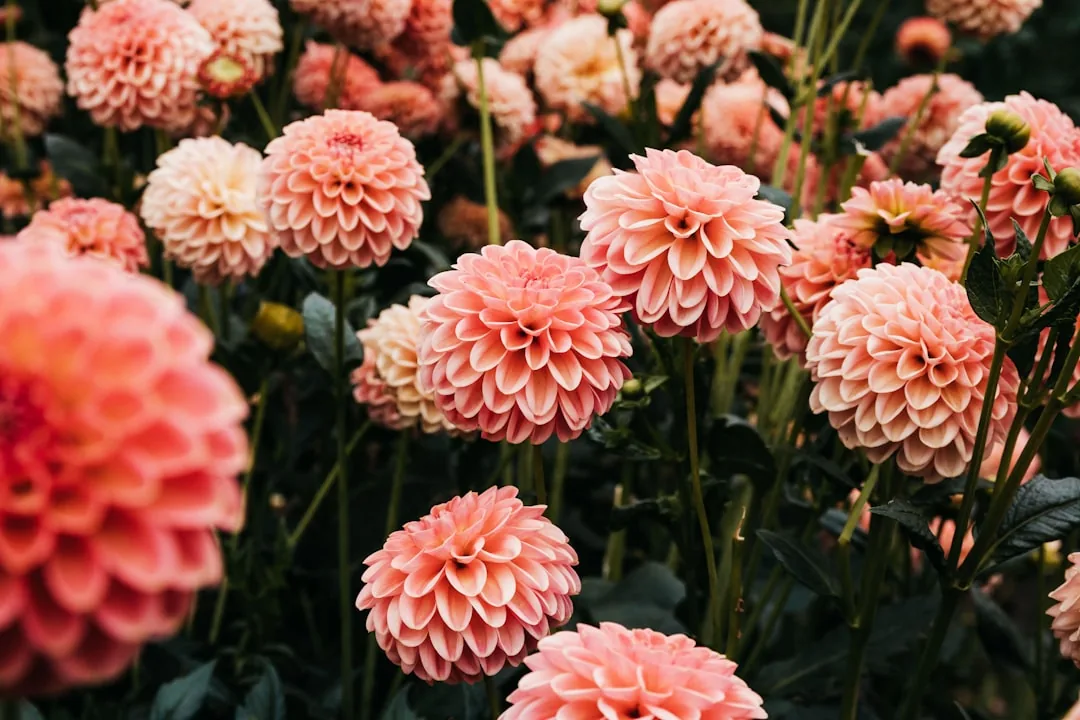
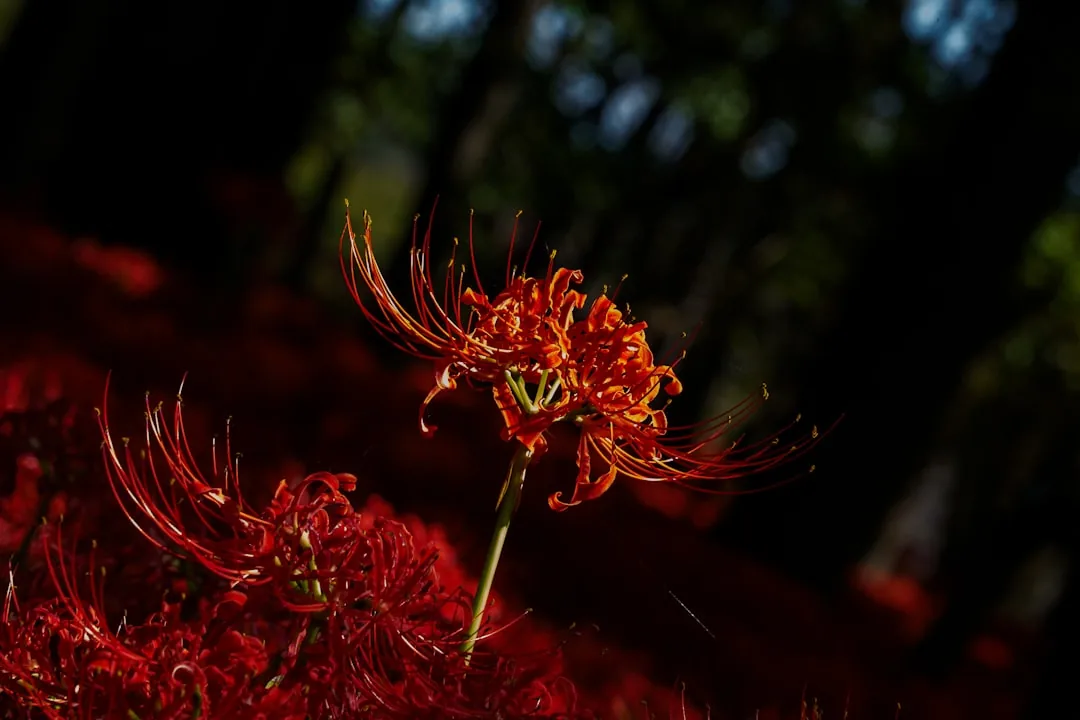
Flowers growing in various environmental conditions showing adaptation
All Climates
Zone 3-10 covered
Climate Adaptation

HardinessZones

Understanding your hardiness zone is crucial for selecting flowers that will thrive in your climate and survive your local winter conditions.

Zone 3 (-40°F to -30°F) - Flowers suitable for this climate zone

Zone 3 (-40°F to -30°F)

Very Cold

Extremely hardy flowers that survive harsh winters and short growing seasons in northern regions.

Growing Season:90-120 days

Zone Characteristics:

Very short seasonExtreme cold toleranceLimited variety

Best Flowers:

Siberian Iris
Wild Bergamot
Purple Coneflower
Black-eyed Susan
Very Cold Climate
23,000/mo
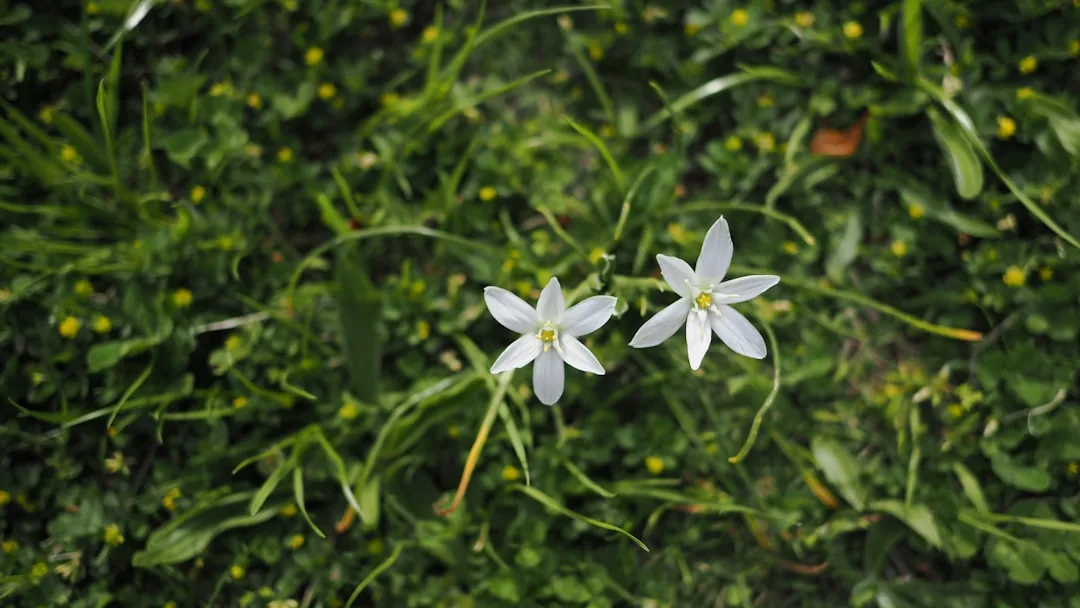
Zone 4 (-30°F to -20°F) - Flowers suitable for this climate zone

Zone 4 (-30°F to -20°F)

Cold

Cold-hardy perennials and annuals perfect for northern gardens with moderate growing seasons.

Growing Season:120-150 days

Zone Characteristics:

Moderate seasonGood cold toleranceSpring bulbs excel

Best Flowers:

Lily of the Valley
Peonies
Delphiniums
Hardy Geraniums
Cold Climate
34,000/mo
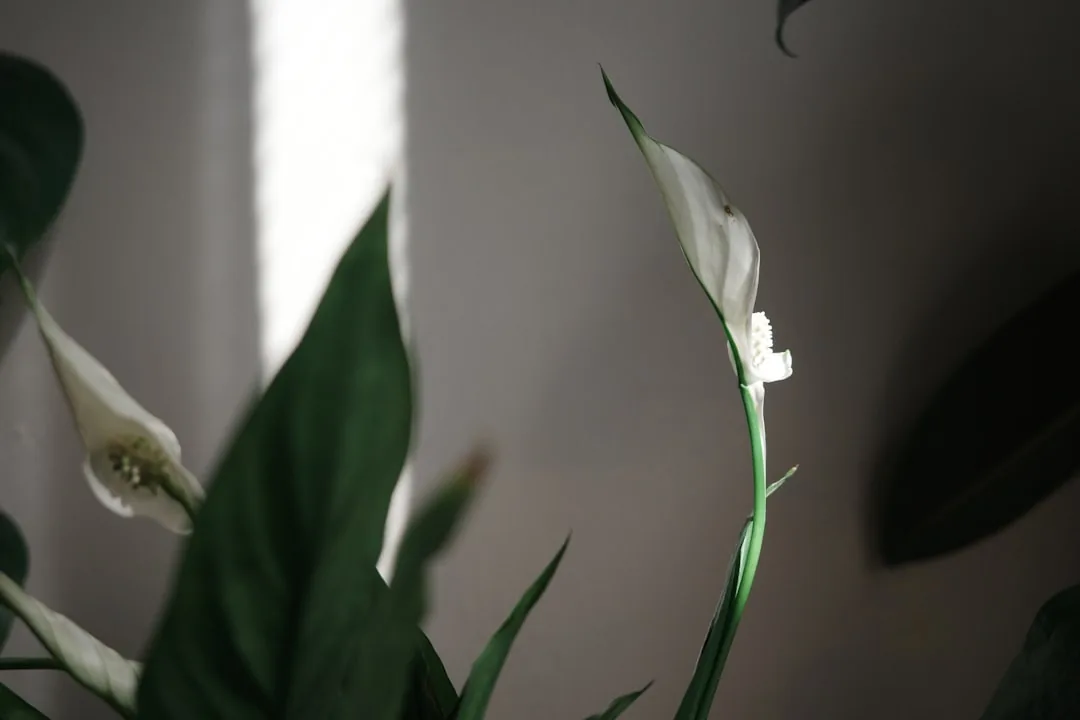
Zone 5 (-20°F to -10°F) - Flowers suitable for this climate zone

Zone 5 (-20°F to -10°F)

Cool

Balanced growing conditions supporting a wide variety of both hardy and tender flowers.

Growing Season:150-180 days

Zone Characteristics:

Good balanceWide variety possibleExtended season

Best Flowers:

Roses
Lilies
Clematis
Hostas
Cool Climate
45,000/mo
Zone 6 (-10°F to 0°F) - Flowers suitable for this climate zone

Zone 6 (-10°F to 0°F)

Moderate

Ideal conditions for most flower varieties with long growing seasons and mild winters.

Growing Season:180-210 days

Zone Characteristics:

Long seasonMost varieties thriveMild winters

Best Flowers:

Dahlias
Calla Lilies
Hydrangeas
Lavender
Moderate Climate
56,000/mo
Zone 7 (0°F to 10°F) - Flowers suitable for this climate zone

Zone 7 (0°F to 10°F)

Mild

Excellent conditions for shade-loving flowers that thrive in filtered light and woodland settings.

Growing Season:210-240 days

Zone Characteristics:

Very long seasonHeat and cold toleranceYear-round interest

Best Flowers:

Camellias
Azaleas
Magnolias
Japanese Maples
Mild Climate
67,000/mo
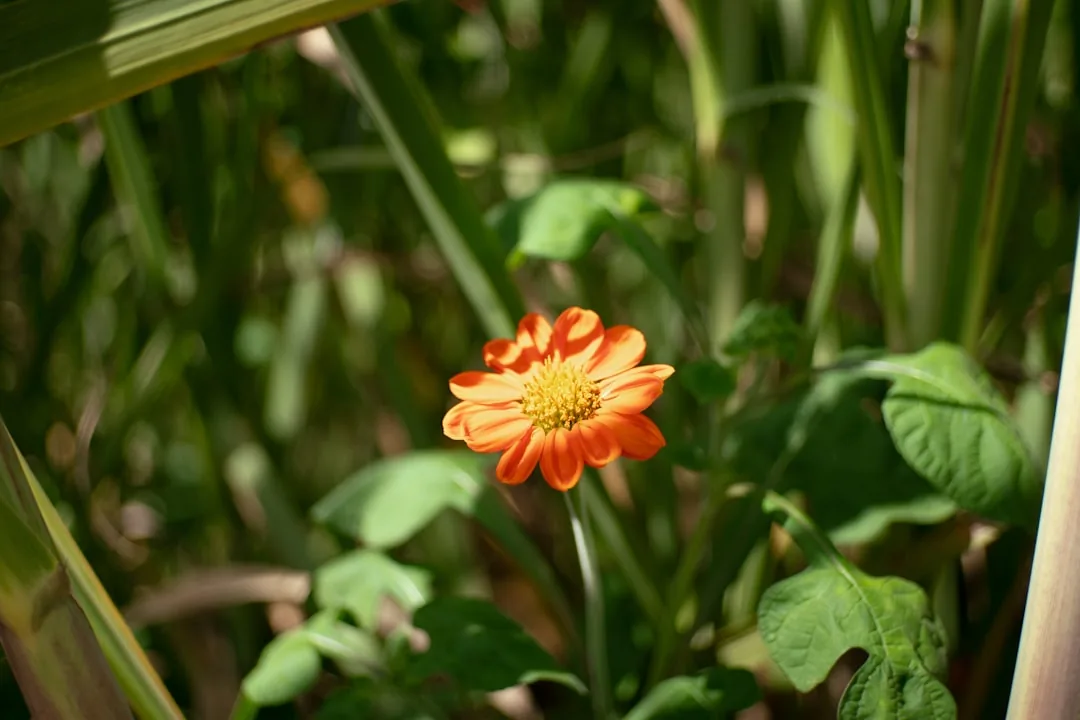
Zone 8 (10°F to 20°F) - Flowers suitable for this climate zone

Zone 8 (10°F to 20°F)

Warm

Warm climate gardening with minimal frost and drought-tolerant flower varieties.

Growing Season:240-270 days

Zone Characteristics:

Minimal frostHeat tolerance neededLong blooms

Best Flowers:

Bougainvillea
Hibiscus
Oleander
Crape Myrtle
Warm Climate
78,000/mo
Sunlight Requirements

LightConditions

Match flowers to your garden's light conditions for optimal growth and flowering. Understanding light requirements is essential for garden success.

Full Sun (6+ hours)

Bright, direct sunlight for most of the day

REQUIREMENTS:

6+ hours direct sun
Good air circulation

BEST FOR:

Most flowering plants
Vegetables

Partial Sun (4-6 hours)

Moderate sunlight with some shade protection

REQUIREMENTS:

4-6 hours direct sun
Morning sun preferred

BEST FOR:

Many perennials
Some vegetables

Partial Shade (2-4 hours)

Limited direct sun with bright indirect light

REQUIREMENTS:

2-4 hours direct sun
Bright indirect light

BEST FOR:

Shade perennials
Hostas

Full Shade (<2 hours)

Very limited direct sun, mostly indirect light

REQUIREMENTS:

<2 hours direct sun
Consistent moisture

BEST FOR:

Specialized shade plants
Groundcovers
Foundation Knowledge

SoilTypes

Understanding your soil type is fundamental to flower gardening success. Each soil type has unique characteristics and requirements.

Clay Soil

Heavy, water-retentive, nutrient-rich but slow-draining

Advantages:

  • Holds nutrients well
  • Retains moisture
  • Good for drought conditions
  • Rich in minerals

Challenges:

  • Poor drainage
  • Compaction issues
  • Slow to warm up
  • Hard when dry

Best Flowers:

AstilbeDay LiliesIrisBee Balm

Sandy Soil

Light, fast-draining, easy to work but low in nutrients

Advantages:

  • Excellent drainage
  • Warms up quickly
  • Easy to dig
  • Good aeration

Challenges:

  • Dries out quickly
  • Low nutrient retention
  • Frequent watering needed
  • Fertilizer leaching

Best Flowers:

LavenderConeflowersBlack-eyed SusanSedum

Loam Soil

Ideal balance of sand, silt, and clay with good structure

Advantages:

  • Perfect drainage
  • Good nutrient retention
  • Easy to work
  • Retains moisture

Challenges:

  • Maintaining quality
  • Regular amendments needed
  • Can vary by location
  • Seasonal changes

Best Flowers:

RosesPeoniesMost perennialsVegetables

Silt Soil

Fine particles, fertile but can compact and have drainage issues

Advantages:

  • Very fertile
  • Good water retention
  • Fine texture
  • Rich in nutrients

Challenges:

  • Compaction prone
  • Surface crusting
  • Erosion risk
  • Poor structure

Best Flowers:

HostasPrimroseLungwortCoral Bells
Unique Environments

Special GrowingConditions

Master flower growing in unique environments and challenging conditions with specialized techniques and plant selections.

🪴

Container Growing

Flowers grown in pots, planters, and containers

Advantages:

  • Mobility
  • Control conditions
  • Easy maintenance
  • Seasonal changes

Challenges:

  • Water management
  • Root restrictions
  • Temperature extremes
  • Fertilizer needs

Best Plants:

PetuniasMarigoldsGeraniumsBegonias
🌊

Coastal Gardens

Gardens near oceans with salt spray and wind exposure

Advantages:

  • Mild temperatures
  • High humidity
  • Long growing season
  • Natural irrigation

Challenges:

  • Salt damage
  • Strong winds
  • Sandy soil
  • Erosion

Best Plants:

Sea HollyLavenderRosemaryBeach Sunflower
⛰️

High Altitude

Gardens at elevation with intense sun and temperature swings

Advantages:

  • Cool summers
  • Clear air
  • Intense colors
  • Low disease pressure

Challenges:

  • Late/early frost
  • Intense sun
  • Dry conditions
  • Limited season

Best Plants:

Alpine plantsNative wildflowersHardy perennialsDwarf varieties
🏙️

Urban Gardens

City gardens with pollution, heat islands, and space constraints

Advantages:

  • Protected from winds
  • Warmer temperatures
  • Access to resources
  • Community support

Challenges:

  • Poor air quality
  • Soil issues
  • Space limitations
  • Light restrictions

Best Plants:

Pollution-tolerant plantsContainer gardensVertical growingAir-purifying plants