Drought TolerantFlowers & Water-Wise Gardens
Create stunning flower gardens that thrive with minimal water. Discover beautiful drought-resistant plants and water-wise techniques for sustainable, low-maintenance gardening.
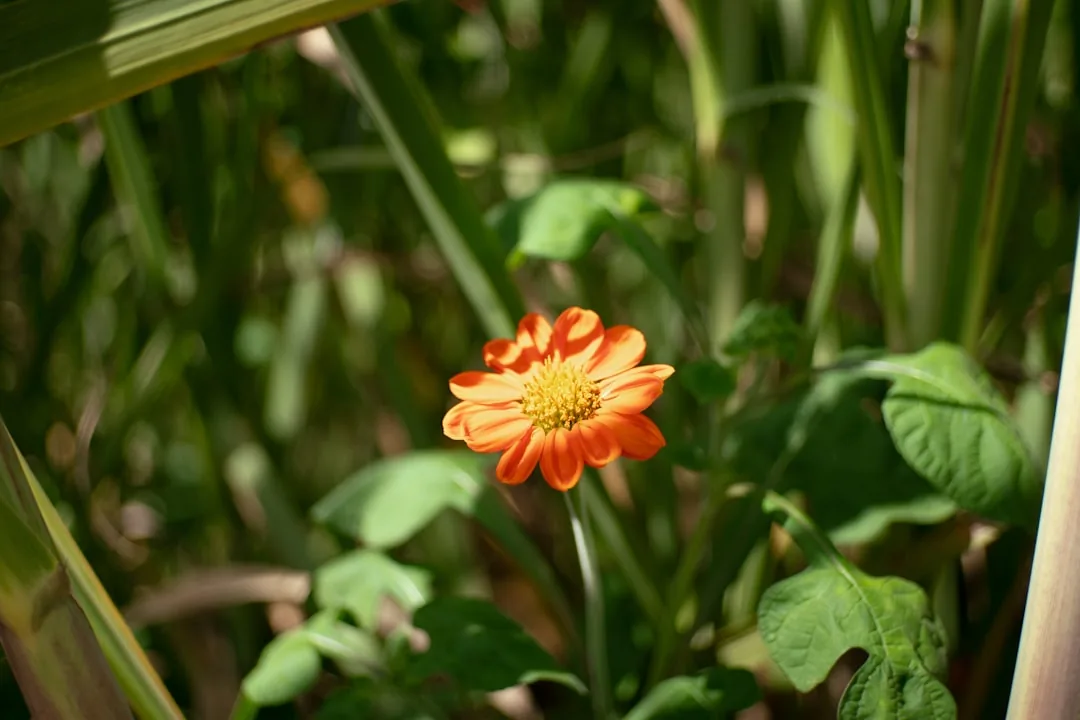
Drought-Tolerant Flower Categories
Choose from these proven categories of water-wise flowers, each selected for beauty, durability, and minimal water requirements.
Perennial Champions
Long-lasting flowers that return year after year with minimal water needs
Purple Coneflower (Echinacea)
Zones 3-9HEIGHT
2-4 feet
BLOOM TIME
July-September
Key Features:
Water Requirements:
Very low after establishment
Soil Tolerance:
Clay to sandy, pH 6.0-7.0
Black-Eyed Susan (Rudbeckia)
Zones 3-9HEIGHT
1-3 feet
BLOOM TIME
June-October
Key Features:
Water Requirements:
Drought tolerant once established
Soil Tolerance:
Adaptable to most soils
Blanket Flower (Gaillardia)
Zones 3-10HEIGHT
12-24 inches
BLOOM TIME
May-October
Key Features:
Water Requirements:
Very drought tolerant
Soil Tolerance:
Well-draining, tolerates poor soil
Sedum (Stonecrop)
Zones 3-9HEIGHT
6 inches-2 feet
BLOOM TIME
Late summer-fall
Key Features:
Water Requirements:
Minimal watering needed
Soil Tolerance:
Rocky, sandy, well-draining
Annual Performers
Single-season flowers that provide continuous color with water efficiency
Zinnia
AnnualHEIGHT
6 inches-4 feet
BLOOM TIME
Summer-frost
Key Features:
Water Requirements:
Drought tolerant when established
Soil Tolerance:
Well-draining, not picky about pH
Marigold
AnnualHEIGHT
6 inches-3 feet
BLOOM TIME
Spring-frost
Key Features:
Water Requirements:
Low water once established
Soil Tolerance:
Adaptable, prefers well-draining
Portulaca (Moss Rose)
AnnualHEIGHT
4-8 inches
BLOOM TIME
Summer-fall
Key Features:
Water Requirements:
Extremely drought tolerant
Soil Tolerance:
Sandy, rocky, poor soils
Celosia
AnnualHEIGHT
6 inches-3 feet
BLOOM TIME
Summer-frost
Key Features:
Water Requirements:
Low to moderate water needs
Soil Tolerance:
Well-draining, fertile preferred
Native Specialists
Locally adapted flowers that naturally thrive in regional dry conditions
Desert Marigold
Zones 8-11HEIGHT
12-18 inches
BLOOM TIME
Year-round in warm climates
Key Features:
Water Requirements:
Natural rainfall sufficient
Soil Tolerance:
Sandy, gravelly, alkaline
California Poppy
Zones 6-10HEIGHT
8-12 inches
BLOOM TIME
Spring-early summer
Key Features:
Water Requirements:
No supplemental watering needed
Soil Tolerance:
Poor, sandy, well-draining
Purple Prairie Clover
Zones 3-8HEIGHT
1-2 feet
BLOOM TIME
July-August
Key Features:
Water Requirements:
Extremely drought tolerant
Soil Tolerance:
Clay to sandy, alkaline OK
Desert Willow
Zones 7-11HEIGHT
15-25 feet
BLOOM TIME
Spring-fall
Key Features:
Water Requirements:
Very low water requirements
Soil Tolerance:
Sandy, rocky, alkaline
Water-Wise Techniques
Master these proven water conservation techniques to maximize your garden's efficiency while maintaining beautiful, healthy flowers.
Deep Watering Method
Water deeply but infrequently to encourage deep root development
How to Apply:
Water 1-2 times per week, thoroughly soaking the soil to 6-8 inches depth
Key Benefits:
- Stronger root systems
- Better drought tolerance
- Reduced water waste
- Less frequent maintenance
OPTIMAL TIMING:
Early morning (6-8 AM) for best absorption and reduced evaporation
FREQUENCY:
Every 3-7 days depending on weather and soil type
Mulching Strategy
Apply organic mulch to retain moisture and moderate soil temperature
How to Apply:
2-4 inch layer of wood chips, straw, or compost around plants
Key Benefits:
- Moisture retention
- Temperature regulation
- Weed suppression
- Soil improvement
OPTIMAL TIMING:
Apply in late spring after soil warms, refresh annually
FREQUENCY:
Annual application with mid-season touch-ups as needed
Soil Amendment
Improve soil structure and water-holding capacity with organic matter
How to Apply:
Work 2-4 inches of compost into existing soil before planting
Key Benefits:
- Better water retention
- Improved drainage
- Nutrient availability
- Soil biology
OPTIMAL TIMING:
Fall or early spring before planting season
FREQUENCY:
Annual addition of 1-2 inches compost as top dressing
Microclimate Creation
Use strategic placement and structures to create favorable growing conditions
How to Apply:
Group plants by water needs, use windbreaks, create shade for sensitive plants
Key Benefits:
- Reduced water stress
- Protection from extremes
- Improved plant health
- Energy efficiency
OPTIMAL TIMING:
Plan during garden design phase, implement during planting
FREQUENCY:
Ongoing monitoring and adjustment as plants mature
Plant Establishment Guide
Even drought-tolerant plants need proper establishment. Follow this timeline to ensure your water-wise flowers develop strong, deep root systems.
First Month
0-30 days
Root establishment and transplant recovery
Watering Schedule:
Daily light watering to keep soil consistently moist
Key Tasks:
- Water newly planted flowers daily for first 2 weeks
- Monitor for transplant shock and wilting
- Apply root stimulator weekly
- Remove any flowers to encourage root growth
CRITICAL NOTE:
Even drought-tolerant plants need consistent moisture during establishment
Second Month
30-60 days
Gradual water reduction and root expansion
Watering Schedule:
Every 2-3 days, deeper watering sessions
Key Tasks:
- Reduce watering frequency but increase amount
- Water to 4-6 inch depth
- Begin allowing soil to dry slightly between waterings
- Apply first dose of balanced fertilizer
CRITICAL NOTE:
Begin training plants to seek deeper water sources
Establishment Complete
60+ days
Transition to drought-tolerant care routine
Watering Schedule:
Weekly or bi-weekly deep watering as needed
Key Tasks:
- Water only when top 2-3 inches of soil are dry
- Focus watering during hot, windy periods
- Reduce or eliminate fertilization
- Begin deadheading for continuous blooms
CRITICAL NOTE:
Plants are now adapted and require minimal supplemental watering
Seasonal Care Calendar
Adapt your drought garden care to seasonal changes for optimal plant health and continuous flowering throughout the growing season.
Spring Setup
March-MayPlanting preparation and establishment
Seasonal Tasks:
- Prepare soil with compost amendments
- Plant after last frost date
- Establish consistent watering routine
- Apply organic mulch around plants
Watering Tips:
More frequent watering needed during establishment
Expected Results:
Strong root development and initial growth
Summer Maintenance
June-AugustHeat stress management and bloom support
Seasonal Tasks:
- Deep water weekly during extreme heat
- Deadhead spent flowers regularly
- Monitor for heat stress signs
- Refresh mulch if needed
Watering Tips:
Water early morning, focus on root zone
Expected Results:
Continuous blooms despite heat stress
Fall Transition
September-NovemberSeed collection and winter preparation
Seasonal Tasks:
- Reduce watering frequency
- Allow some flowers to go to seed
- Cut back spent foliage on perennials
- Collect seeds for next year
Watering Tips:
Minimal watering needed as temperatures cool
Expected Results:
Plants naturally prepare for dormancy
Winter Protection
December-FebruaryDormancy support and planning
Seasonal Tasks:
- Cease all watering except during warm spells
- Protect tender plants from freeze
- Plan next year's garden additions
- Order seeds for spring planting
Watering Tips:
Water only if 4+ weeks without precipitation
Expected Results:
Healthy dormancy and spring preparation
Drought Garden Design Principles
Apply these professional design principles to create beautiful, efficient drought gardens that thrive with minimal water input.
Water Zone Grouping
Group plants with similar water needs together for efficient irrigation
How to Implement:
Create high, medium, and low water zones in your garden layout
Key Benefits:
- Reduced water waste
- Easier maintenance
- Better plant health
- Cost savings
Example:
Place drought-tolerant plants in sunny, well-draining areas together
Graduated Heights
Arrange plants by height to optimize water distribution and sun exposure
How to Implement:
Taller plants in back, shorter in front, with consideration for shade patterns
Key Benefits:
- Even water distribution
- Optimal light exposure
- Visual appeal
- Wind protection
Example:
Desert willow in back, coneflowers in middle, portulaca in front
Native Plant Integration
Incorporate locally native plants that are naturally adapted to your climate
How to Implement:
Research and include 30-50% native species in your drought garden
Key Benefits:
- Minimal water needs
- Local wildlife support
- Disease resistance
- Authentic appearance
Example:
Use regional prairie flowers, desert species, or Mediterranean plants
Seasonal Interest Planning
Select plants that provide color and structure throughout the growing season
How to Implement:
Choose plants with staggered bloom times and attractive foliage
Key Benefits:
- Continuous appeal
- Extended garden value
- Habitat diversity
- Year-round structure
Example:
Early spring bulbs, summer perennials, fall-blooming sedums
Featured Flower Guides
Explore our in-depth flower growing and care guides