🕷️ 74,000 Monthly Searches

Spider LilyGuideLycoris Species

Spider lilies are nature's most mysterious flowers, appearing suddenly in fall on naked stems without foliage. These exotic Lycoris species create dramatic displays with their spidery, curved petals and vibrant colors.

Light
Full Sun to Part Shade
Water
Low to Moderate
Bloom Time
Late Summer-Fall
Hardiness
Zones 5-10 (varies)
Mysterious Growth Cycle
Spider lilies have a fascinating "naked lady" blooming habit - flowers appear in fall on bare stems, while foliage grows separately in spring.
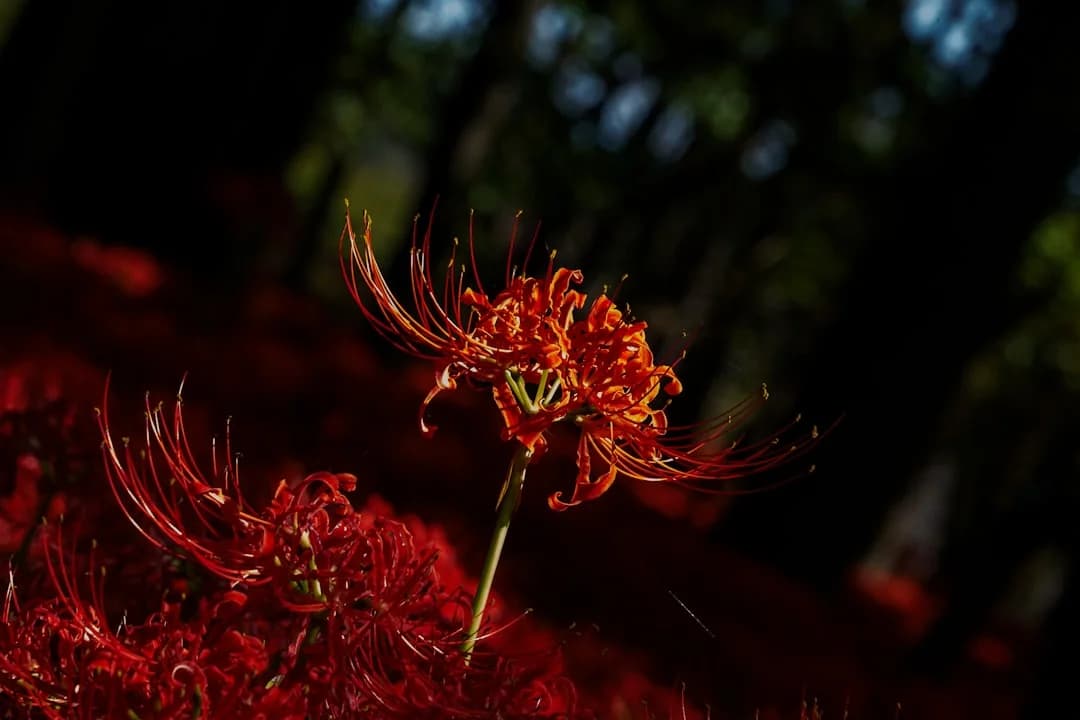
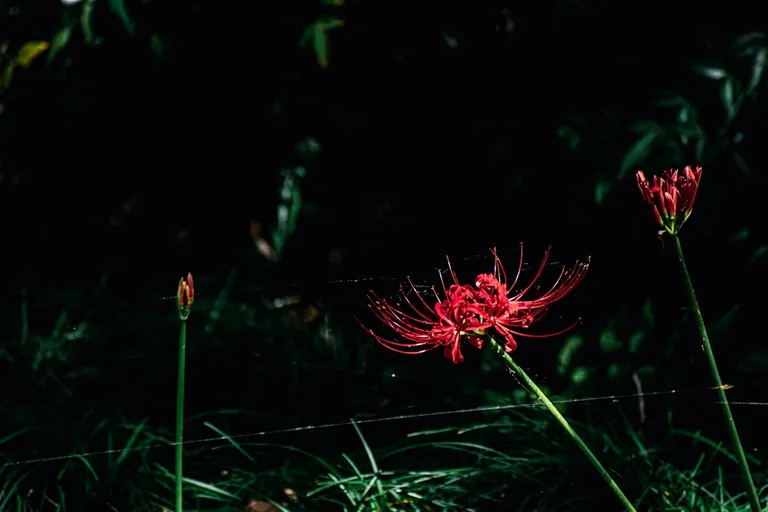
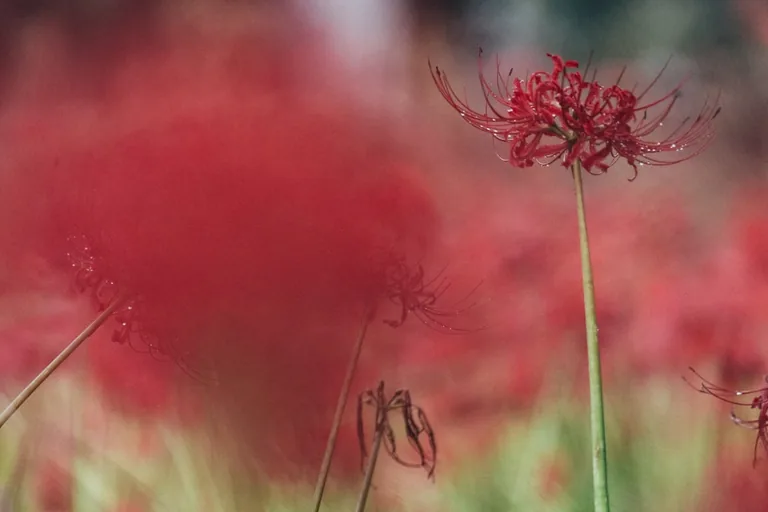
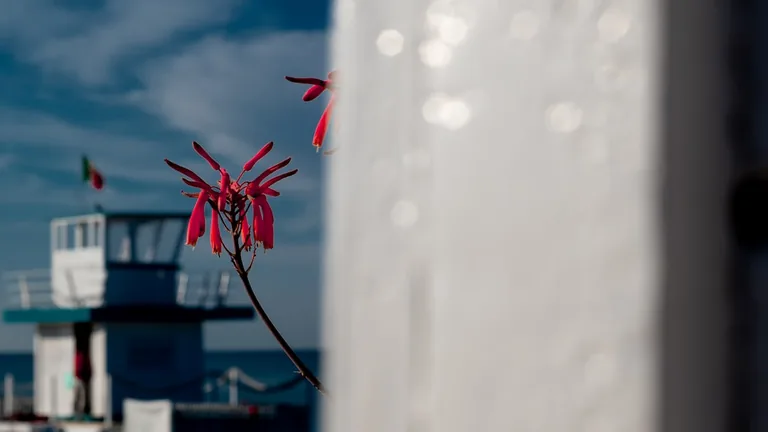
flowers/spider lily red spider lilies emerging in autumn
Red spider lily (Lycoris radiata) in autumn bloom
Distinctive curved petals create the "spider" appearance

Popular Spider LilyVarieties

Red Spider Lily

Lycoris radiata

Zones 7-10
12-18 inches
Color:Bright red with curved petals
Bloom Time:Late August - September

Most popular, naturalizes easily, drought tolerant

Surprise Lily

Lycoris squamigera

Zones 5-9
18-24 inches
Color:Pink to lavender-pink
Bloom Time:Late July - August

Cold hardy, fragrant, also called Magic Lily

Golden Spider Lily

Lycoris aurea

Zones 8-10
12-16 inches
Color:Bright golden yellow
Bloom Time:September - October

Rare, striking color, long-lasting blooms

White Spider Lily

Lycoris albiflora

Zones 7-9
14-18 inches
Color:Pure white
Bloom Time:August - September

Elegant, clean appearance, good cut flower

Understanding theGrowth Cycle

Spider lilies have one of the most unique growth patterns in the plant kingdom. Their flowers and foliage appear at completely different times, creating a mysterious "naked lady" effect when blooms emerge from bare ground.

🌸

Fall Blooms

August - October

Dramatic flower stalks emerge from bare ground

❄️

Winter Rest

November - February

Complete dormancy, no visible growth

🌿

Spring Foliage

March - May

Strap-like leaves appear and photosynthesize

☀️

Summer Dormancy

June - July

Foliage dies back, bulbs rest underground

How to PlantSpider Lily Bulbs

Spider lily bulbs should be planted in late summer or early fall, about 6-8 weeks before the first expected frost. This timing allows them to establish roots before blooming season.

Best Planting Time

  • Ideal timing: Mid to late summer (July-August)
  • Soil temperature: When soil is warm but not hot
  • Avoid: Planting during active growth periods
  • Regional variation: Adjust timing based on your climate zone
1
Choose Location
Well-draining soil in full sun to partial shade
2
Soil Preparation
Amend heavy soil with compost for better drainage
3
Plant Depth
Set bulbs 3-4 times their height deep (4-6 inches)
4
Spacing
Space bulbs 6-8 inches apart for natural colonies
5
Initial Care
Water lightly after planting, then wait for growth

Spider Lily CareGuide

💧 Watering Requirements

Spider lilies are remarkably drought tolerant once established. Water them moderately when foliage is present in spring, then reduce watering during summer dormancy. Resume light watering when flower stalks appear in fall.

  • Spring: Regular watering during foliage growth
  • Summer: No watering during dormancy period
  • Fall: Light watering during blooming period
  • Winter: Minimal water, avoid wet conditions

🌱 Fertilizing Schedule

Feed spider lilies when foliage appears in spring with a balanced fertilizer. This is the only time they need nutrition, as the leaves must build energy for next year's blooms.

  • Spring feeding: Apply 10-10-10 fertilizer when leaves emerge
  • Organic option: Compost or aged manure around bulbs
  • Avoid: Fertilizing during dormancy or blooming
  • Mulching: Light mulch to suppress weeds only

✂️ Maintenance Tips

The key to spider lily care is understanding their growth cycle and not interfering with their natural rhythm. Let foliage die back naturally and avoid disturbing bulbs unnecessarily.

  • Foliage care: Never cut spring leaves until they yellow naturally
  • Deadheading: Remove spent flowers to prevent energy drain
  • Division: Divide clumps every 4-5 years if needed
  • Pest control: Generally pest-free, may attract aphids to foliage

Annual CareCalendar

🌱
March
Spring foliage emerges, begin light watering
🌿
April-May
Allow foliage to grow, apply balanced fertilizer
🍂
June
Foliage yellows and dies back naturally
☀️
July-Aug
Dormant period, no watering needed
🌸
September
Flower stalks emerge, resume light watering
🎉
October
Peak blooming period, enjoy flowers

Landscape andGarden Uses

🏡 Naturalized Areas

  • Woodland edges and partially shaded slopes
  • Under deciduous trees for spring foliage
  • Rock gardens and xeriscaped areas
  • Naturalized meadows and prairie gardens

🌸 Designed Gardens

  • Fall color displays with asters and mums
  • Japanese-style gardens for authenticity
  • Cut flower gardens for unique arrangements
  • Border plantings with other fall bloomers

🎌 Cultural Significance

Spider lilies, particularly Lycoris radiata, hold deep cultural significance in Japanese folklore. Known as "Higanbana," they're associated with autumn equinox celebrations and are said to guide spirits to the afterlife.

Quick Reference

Scientific Genus:Lycoris
Plant Family:Amaryllidaceae
Native Origin:East Asia
Mature Height:12-24 inches
Spread:6-12 inches
Bulb Type:True Bulb

Expert Growing Tips

🔥
Heat Tolerance
Excellent drought and heat tolerance once established
❄️
Cold Hardiness
Varies by species, some hardy to Zone 5
🌿
Foliage Timing
Never cut foliage early - it feeds next year's blooms

Available Colors

Red Spider Lily
L. radiata (most common)
Pink Surprise Lily
L. squamigera
Golden Spider Lily
L. aurea
White Spider Lily
L. albiflora

You May Also Be Interested

Explore more flower care guides and growing tips